















Complete guide to choosing your cushion: sizes, fabrics, colors
The cushion, this seemingly innocuous decorative accessory, is in reality one of the most powerful and versatile elements for transforming the ambiance of an interior. Far more than a simple comfort add-on, it is the final brushstroke, the touch of personality that can reveal a style, liven up a sofa that's too plain, or bring an unexpected note of softness. But faced with the immense variety of shapes, sizes, fabrics, and patterns available, choosing your cushion becomes a true art. This article is your complete guide to making the right choices, from understanding dimensions to mastering combinations, including current trends and care tips for long-lasting decoration.
Understanding Dimensions and Shapes: The Foundation of a Successful Arrangement
Before succumbing to a favorite print, it is essential to master the language of dimensions. A cushion that is too small will get lost on a large sofa, while a model that is too imposing will overwhelm an armchair. The golden rule is to play with variety to create dynamism.
Square formats are the most classic and versatile. 50x50 cm is the reference size, ideal for corner sofas and beds. 40x40 cm are perfect as complements on a sofa or for smaller seats. Finally, large squares of 60x60 cm or more bring a graphic and comfortable touch, to be used sparingly as a centerpiece.
Rectangular shapes, like bolsters (cylindrical) or logs, are excellent for lumbar support or for adding a different structural line. Long rectangular cushions (like 30x50 cm) are perfect for headboards or banquettes. The trick lies in mixing: combine 2 or 3 different formats on the same sofa for a visually rich and balanced composition.
The Choice of Fabric: Between Touch, Durability, and Ambiance
The material is the soul of the cushion. It determines its feel, its resistance, and the ambiance it conveys. The choice should be made based on the use and the style of the room.
Natural Materials and Textiles
For a warm and authentic ambiance, natural fibers are essential. Linen, with its slight irregularities, brings relaxed elegance and great breathability. Cotton, soft and easy to care for, is a timeless basic, available in an infinite variety of weaves (perlé cotton, jacquard, velvet). Wool and tweed are perfect for cooler seasons, adding texture and warmth.
Velvets and Luxurious Materials
For a touch of opulence and glamour, velvet is king. It captures light wonderfully and adds an incomparable tactile dimension. Cotton or linen velvets are more casual, while silk or viscose velvet offers a more formal sheen. Satin and silk can be used for very decorative accent cushions, creating changing reflections.
Technical and Easy-Care Materials
For high-traffic living spaces, entryways, or homes with children and pets, prioritize resistant and washable fabrics. Coated canvases, faux leathers (PU), or technical fabrics like Sunbrella®, designed for outdoors but increasingly used indoors for their stain and UV resistance, are wise choices. Zippered, machine-washable covers are a must.
The Magic of Colors and Patterns: Expressing Your Personality
This is where decoration comes to life. Cushions are the simplest and least expensive way to experiment with color. The current trend is towards bold mixing and personalization.
Start by identifying your base palette. If your sofa is neutral (gray, beige, taupe, white), you have a free hand. You can opt for a monochromatic harmony by playing with shades of the same color for a sophisticated effect, or introduce contrasting colors to energize the space. A navy blue sofa will be illuminated with mustard or coral cushions.
The play of patterns is essential to avoid monotony. The rule of three patterns works wonderfully: combine a large pattern (floral, large geometric), a medium pattern (stripes, houndstooth), and a small pattern or a textured solid. Ensure to link the colors between the different patterns to create cohesion. Current trends see the return of graphic patterns from the 70s, stylized botanical prints, and colorful stripes (color blocking).
The Filling: The Secret to a Comfortable and Long-Lasting Cushion
A beautiful cushion that is flat and limp is a disappointment. The quality of the filling is paramount for support, comfort, and longevity. Three main options are available to you.
Feather and down (usually a blend) offers the ultimate comfort and softness, with a generous, plump look that molds to the body. It is the premium choice for living rooms. It requires regular fluffing to regain its volume.
Hollowfibre polyester fiber or microfiber is the most common option. Hypoallergenic, easy to care for, and less expensive, it offers good support. High-quality fibers (cluster or silicone) mimic the softness of down well and retain their shape better.
Innovative and eco-friendly fillings are gaining ground. Kapok fiber, natural and light, recycled foam beads, or even wool offer sustainable alternatives. For firm support, especially for seat or floor cushions, cut memory foam is excellent.
Daring with Textures and Finishes: The Sensory Touch
Modern interior decoration heavily relies on the sensory. Textures bring depth and interest to a space, even in a neutral color palette.
Don't hesitate to mix materials on the same sofa. Combine deep velvet, rough linen, embroidered cotton, and a beaded patterned fabric. Fringes, long considered outdated, are making a strong comeback, bringing a boho-chic or retro touch depending on their style (fine and silky or thick in cotton). Pom-poms, woven trims, and embroidery also add character and craftsmanship.
So-called "crisp" textures like taffeta or certain satins bring a bold note, while faux fur or mohair invite softness and warmth, perfect for winter.
Adapting Your Cushions to Each Room in the House
The function and ambiance of the room should guide your choices. A living room cushion does not have the same requirements as a bedroom or outdoor cushion.
The Living Room and Dining Room
This is the main playground. Prioritize comfort (feather/down or high-quality filling) and stylistic expression. On a sofa, alternate sizes and create compositions. On a dining bench, opt for firmer (dense foam) and easy-to-clean cushions.
The Bedroom
Here, softness and zen-like calm take precedence. Soft textures like perlé cotton, fine linen, or corduroy velvet are perfect. Play with soothing tones and subtle patterns. Decorative cushions for the bed (squares, bolsters) complement sleeping pillows.
Outdoor Spaces (Balcony, Terrace, Garden)
Resistance to the elements is crucial. Imperatively choose outdoor fabrics (solution-dyed acrylic, olefin polyester) that resist water, UV rays, and mold. Fillings made of open-cell foam or quick-drying technical fibers are essential.
Current Trends for Choosing Your Cushion in 2026
Decoration is constantly evolving. For a contemporary interior, here are the strong trends to observe.
Hyper-personalization is major. Cushions embroidered with messages, initials, or unique patterns, often artisanal, are in vogue. The "quiet luxury" style translates into noble materials (linen, silk velvet, cashmere) in neutral colors and impeccable cuts, prioritizing quality over ostentation.
Organic and abstract patterns, inspired by earth and landscapes, are replacing classic florals. Color-wise, earthy and oxidized tones (ochre, rust, sage green) dominate, often highlighted by touches of deep blue or bright pink. Finally, recycled and upcycled are more present than ever, with cushions made from fabric scraps or recycled plastic bottles.
The Art of Composition and Styling
Arranging your cushions is not trivial. A beautiful composition follows visual rules that create harmony.
For a two-seater sofa, a composition of 3 cushions works well: one large (50x50) in the center and two smaller ones (40x40) on the sides. For a corner sofa, you can go up to 5 or 6 cushions by playing with sizes. Always place the largest at the back and the smallest in front. Don't hesitate to slightly offset the corners, partially overlap some cushions, and integrate a different shape (a bolster) to break the rigidity.
Asymmetry can be very dynamic. On a bench, place two identical cushions off-center, or a group of three cushions in graduated sizes. The important thing is to create a visual balance, not perfect symmetry.
Care and Lifespan: Preserving the Brilliance of Your Cushions
Proper care allows you to maintain the beauty and freshness of your cushions for years. The golden rules are simple but essential.
Always check the care label. Covers in cotton, linen, or polyester generally support machine washing in cold water (30°C) on a delicate cycle. Cushions in velvet or silk often require dry cleaning or very gentle hand washing. For fillings, synthetic fibers can be washed, while down requires extremely delicate washing or professional cleaning.
On a daily basis, fluff your cushions regularly to aerate the filling and restore volume. Gently brush the textures to remove dust. In case of a stain, act quickly with a mild stain remover suitable for the fabric. To prolong their life, don't hesitate to turn and rotate your cushions regularly for even wear.
FAQ: The Most Frequent Questions for Choosing Your Cushion Well
How many cushions to put on a sofa?
There is no single answer, but a rule of aesthetics. For a two-seater sofa, 2 to 3 cushions are enough. For a three-seater, 3 to 5 cushions allow for a beautiful composition. For a large corner sofa, you can go up to 6 or 7. The important thing is to maintain a balance: there must be enough space to sit comfortably without having to move a mountain of cushions.
Should cushions match the curtains or the rug?
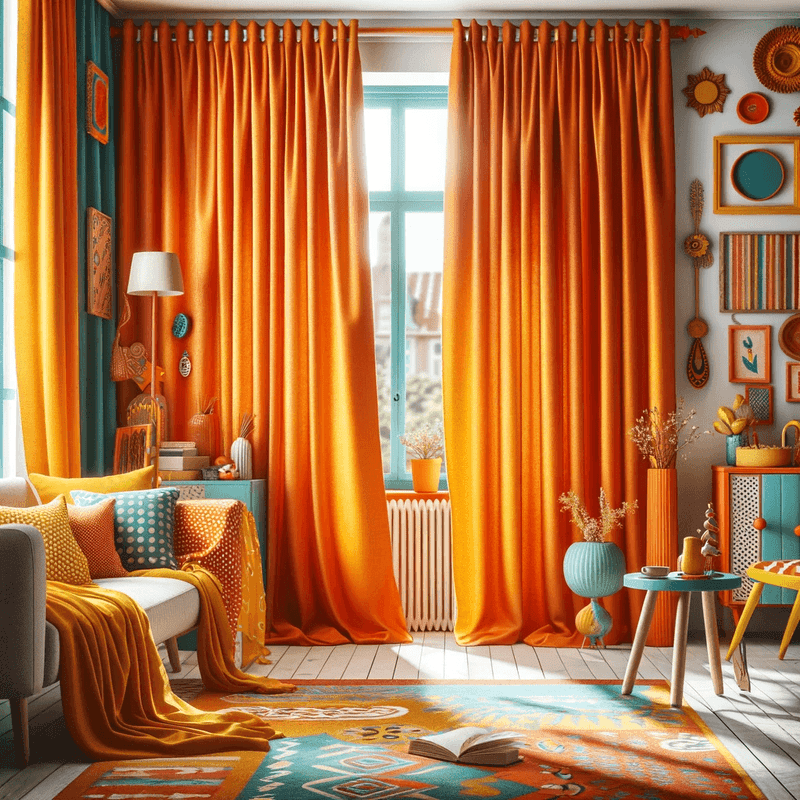
No, strict matching is often too heavy and dated. Aim for harmony instead. You can create a link by picking up a secondary color present in your rug or curtains on one of your cushions. For example, if your beige rug has discreet blue threads, introduce a blue cushion. This creates cohesion without being too obvious.
Can you mix different styles of cushions?
Absolutely, it's even recommended for a rich and personal interior. The secret is to create a common thread. This can be a shared color palette (even if the tones are different), a recurring texture, or a theme (botanical, geometric). An ethnic cushion can perfectly coexist with a modern graphic cushion if they share the same color tone.
What is the average lifespan of a decorative cushion?
This depends enormously on the quality of the materials, the filling, and the care. A good quality cushion with a resistant fabric cover and high-end filling can last 5 to 10 years, or even more, especially if you have several sets of covers that you alternate. Quality outdoor cushions also have a long lifespan if stored correctly in winter.
How to choose the size of cushions for a bed?
For bed decoration, we generally talk about "bed cushions" or "throw pillows." Square formats 50x50 cm or 60x60 cm are the most common, placed in front of the sleeping pillows. You can add smaller rectangular formats (30x50 cm) or bolsters. The classic stacking is: headboard, sleeping pillows, then your decorative cushions on top.
Conclusion: Your Interior Deserves the Perfect Touch
Choosing your cushion is much more than a decorative purchase; it's an opportunity to inject comfort, color, texture, and personality into your living space. By mastering the fundamentals of dimensions, materials, and colors, and daring to play with compositions and trends, you will transform every seat into an invitation to relaxation and an expression of your unique style. Remember that cushions are the easiest accessories to change with the seasons or your whims. So, treat yourself, experiment, and let yourself be guided by your feelings.
To continue finding inspiration and discover a curated selection of accessories that will dress your interior, explore without delay the decor universes of ombreinterieur.fr. You will find all the keys to create a home that reflects you, down to the smallest details. For a harmonious result, also browse Cushion Covers. Discover the product Bohemian Cotton Tufted Cushion Cover With Pompoms 45X45 Cm to finalize your decor. Consult our article how to choose an entry bench for the bathroom in a vintage style to go further. Find our entire decor universe on Ombre Interieur.


