
















Complete Guide to Choosing Your Curtains in 2026
Choosing your sheers is much more than just a final touch in interior decoration. It's a decisive act that influences the light, atmosphere, privacy, and overall aesthetic of a room. Between the ethereal curtains that dance with the breeze and structured blackout sheers, the choice is vast and can seem overwhelming. Yet, with a methodical approach, selecting the perfect sheer becomes child's play, even a true pleasure. This article guides you step by step, from practical considerations to the trendiest inspirations, so your windows are dressed with precision and elegance.
Understanding the Fundamental Role of Sheers in Your Interior
Before diving into fabrics and models, it's crucial to define what you expect from your sheers. Their primary function is not solely decorative. They are the regulators of natural light, the guardians of your privacy, and subtle acoustic modulators. A well-chosen sheer can dampen outside noise and create a feeling of gentle insulation.
On an aesthetic level, they add height, texture, and movement. They can unify a room by repeating a color present on a cushion or painting, or conversely, introduce a bold touch of contrast. They soften the right angles of windows and create a cocoon of softness around your view of the outside. In short, sheers are the element that links the interior to the exterior, while protecting your personal bubble.
The Fabric Guide: From Muslin to Linen, Which Fabric for Which Effect?
The fabric is the heart of your choice. It determines the drape, light filtration, and maintenance. Current trends favor natural materials and pronounced textures.
Natural Materials and Their Advantages
Linen is unbeatable for its rustic-chic look and lively folds. It filters light beautifully, creating a warm and subdued ambiance. Ideal for a Scandinavian style, bohemian, or contemporary. Cotton, lighter and often less expensive, offers a great variety of weaves, from smooth percale to textured bouclé. It is easy to maintain and suits many styles.
Cotton voile or muslin is the queen of lightness. Extremely fine and airy, it lets in maximum light while blurring the outlines of the outside. Perfect for preserving privacy during the day without darkening the room.
Technical and Innovative Materials
Technical sheers, like those made from PVC-coated fiberglass or treated polyester, are booming. They offer enhanced functionalities: total blackout, UV resistance, mold resistance (ideal for bathrooms), and even depolluting properties for some high-end models. They are often easier to maintain and keep their shape impeccably.
Blends, like linen-polyester, combine the beautiful natural look of linen with the resistance and low wrinkling of synthetic. It's an excellent compromise for living rooms.
Deciphering Opacity Levels and Light Filtration
The question of light is paramount. Do you want a purely decorative sheer, a light filter, or total darkness at night? We generally distinguish three levels.
Transparent or diaphanous sheers (muslin, tulle) let through more than 90% of visible light. They are perfect for rooms where you want to maximize natural brightness while having a visual screen.
Light-filtering or translucent sheers (linen, thick cotton, some synthetics) filter between 40% and 70% of light. They create a soft twilight, reduce glare, and protect furniture from UV rays. This is the most versatile choice for a living room or bedroom.
Blackout or room-darkening sheers have a special lining or weave that blocks over 99% of light. Essential for baby rooms, east-facing bedrooms, or for those who enjoy daytime naps. The most effective versions also improve thermal and acoustic insulation.
Colors and Patterns: Harmony or Boldness?
The choice of color is a powerful decorative lever. The current trend is towards sobriety and natural tones, but bold choices are always possible.
Neutral tones (off-white, ecru, pale gray, taupe) are safe bets. They adapt to all styles, visually enlarge the space, and highlight the rest of the decoration without competing with it. Pure white brings a fresh and bright note but can seem clinical if not balanced by warm textures.
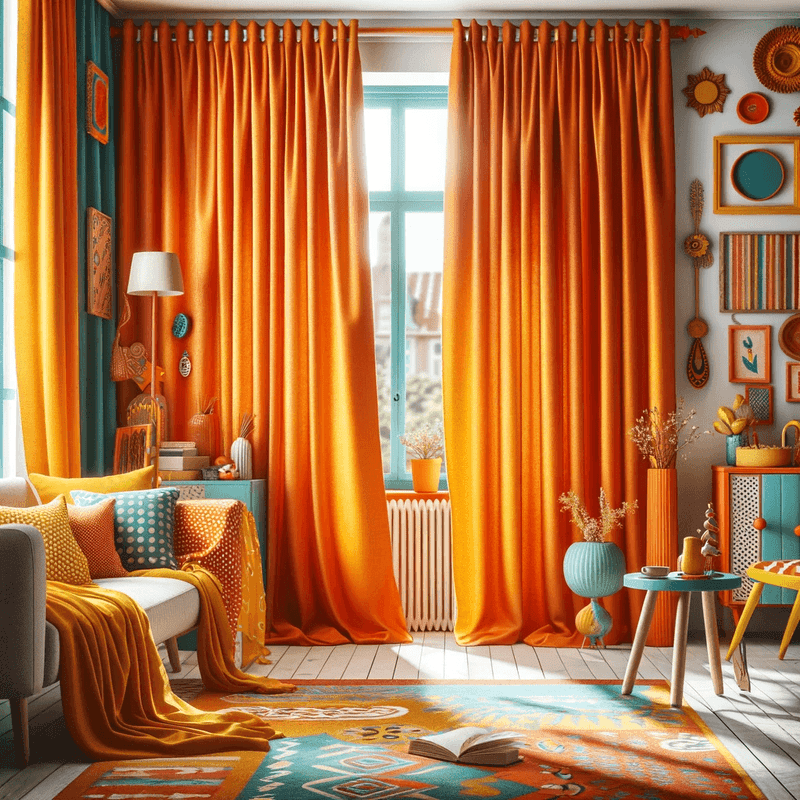
The natural colors of the fibers (linen beige, linen gray, ecru cotton) are extremely trendy. They add depth and character. For a touch of color, favor soft and muted shades: terracotta, lavender blue, sage green. A colored sheer can become the focal point of a neutral room.
Regarding patterns, caution is advised. A pattern that is too strong or too large on a big panel of fabric can quickly overwhelm a room. Prefer discreet stripes, subtle geometric patterns, or delicate botanical prints. The guiding principle is coherence: the sheer should converse with the other textiles in the room (cushions, throws, rugs).
The Different Types of Sheers and Their Specific Uses
The model of the sheer has a direct impact on its style and installation.
The Timeless Classics
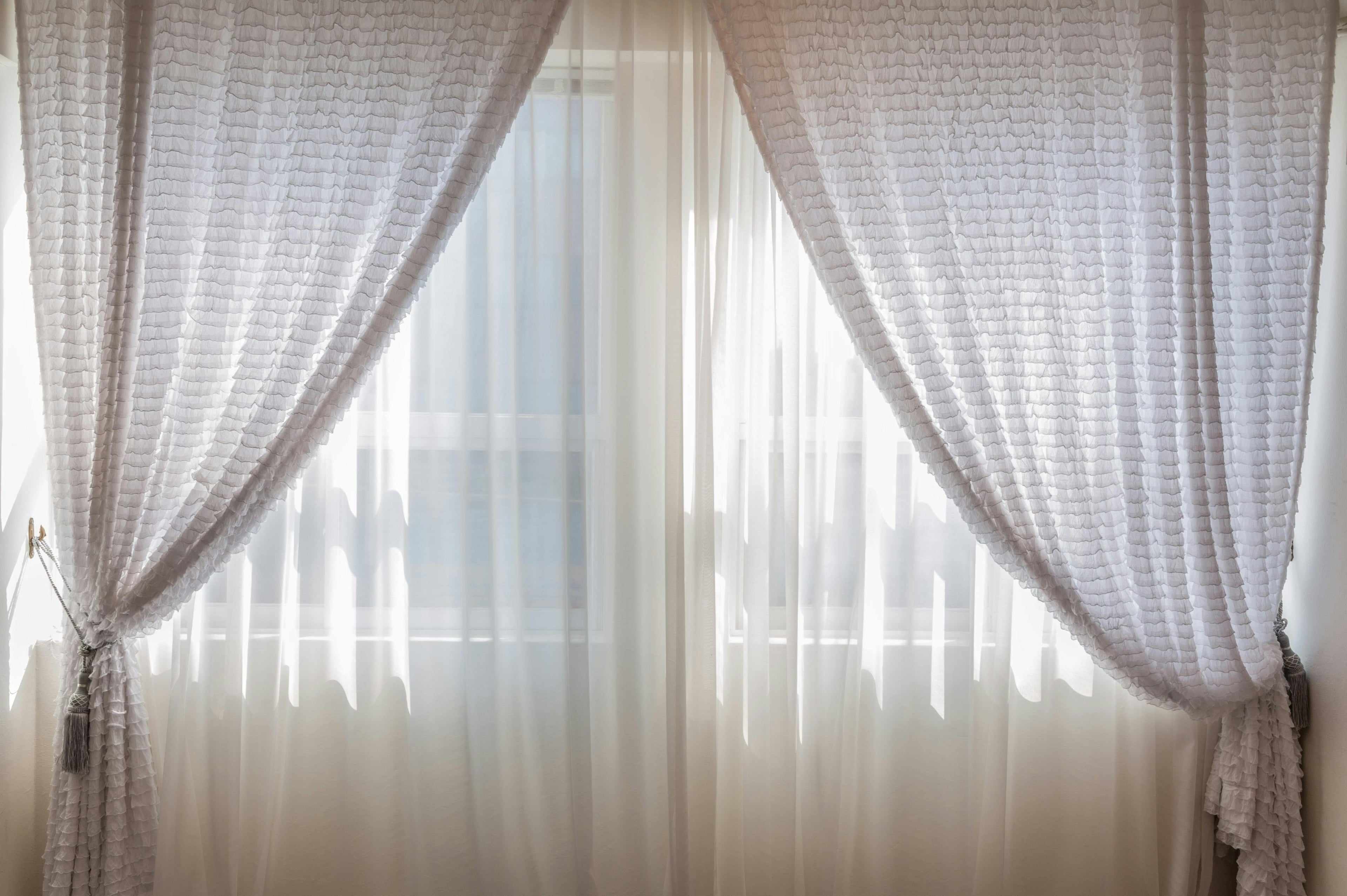
The ethereal curtain, a simple panel fixed on each side of the window, is the most common. It can be drawn or left floating. The double curtain (a light-filtering sheer + a thick curtain) offers perfect modularity between day and night. The tie-back or holdback, which gathers the fabric into a single panel on the side, is very elegant and modern.
Trendy and Practical Models
Grommet-top sheers slide directly onto the rod, for a structured and contemporary look. Tab-top or tie-top sheers add a bohemian or romantic touch. Japanese panels, sliding on a track, offer a clean design and are perfect for bay windows or wide openings.
Roller shades in voile are experiencing renewed interest. Discreet, they fit into a cassette at the top of the window and lower like a classic shade. They are ideal for kitchens or bathrooms where minimal clutter is desired.
How to Measure Correctly and Choose the Right Length?
A measurement error is the number one enemy of a beautiful installation. For sheers that dress with elegance, follow these rules.
Width: The fabric should always be wider than the window. For a full and generous effect, plan a fabric width equal to 1.5 to 2.5 times the width of the rod. For a more taut and contemporary look, 1.2 to 1.5 times is enough.
Length: This is what gives the style.
- At half the window height: Practical for kitchens or low windows, but rarely very aesthetic.
- At the windowsill level: Classic and safe length. The sheer grazes the sill.
- To the floor (kissing): Very elegant and modern. The fabric just touches the floor.
- Puddling on the floor: Dramatic and luxurious effect, reserved for formal rooms or bohemian styles. Requires regular maintenance.
Rod height: To give height to the room, install the rod 15 to 30 cm above the top of the window, and if possible, all the way to the ceiling. This visually lengthens the window and the room.
Hanging Systems and Rods: The Finishing Touch That Makes the Difference
The hanging hardware is the jewelry of your sheer. A beautiful rod can become a decorative element in its own right.
Metal rods (brass, matte black steel, copper) are very trendy. Matte black steel fits into industrial and contemporary decors. Brass adds a retro-chic touch. Wooden rods (stained, raw) suit Scandinavian, rustic, or Japanese atmospheres.
For hanging, sliding rings are practical and modern. Hooks or gliders are invisible once the curtain is installed, for a very clean look. Metal grommets require a fairly thick fabric but create a regular, structured fold that is highly appreciated.
Don't forget holdbacks or curtain ties! These cords, ribbons, or chains allow you to hold the sheer to the side and clear the window. They are both useful and decorative.
Pairing Sheers and Curtains: The Winning Combination
Pairing a light-filtering sheer with a thicker curtain (in velvet, wool, or heavy fabric) is the ultimate solution for combining functionality and aesthetics. This layering allows you to modulate light and privacy throughout the day.
During the day, only the sheers are closed, diffusing beautiful light. At night, you draw the opaque curtains for privacy and darkness. Stylistically, play with contrasts: a white linen sheer with dark green curtains, or a gray sheer with dusty pink velvet curtains. Ensure the two fabrics share a harmony of tone or texture for a coherent ensemble.
Maintenance and Durability: How to Preserve the Beauty of Your Sheers
A well-maintained sheer lasts for years. Dust and UV rays are its main enemies.
For regular maintenance, the vacuum with its soft brush attachment is your ally. Shake out your sheers regularly outside. Regarding washing, always follow the manufacturer's label. Synthetic voiles often support machine washing in cold water on a delicate cycle. Natural materials like linen can shrink; hand washing in lukewarm water is often safer.
Avoid the dryer for natural fabrics; prefer air drying, laid flat to avoid creases. Iron if necessary with an iron at the appropriate temperature, often using a pressing cloth for the most delicate fabrics. A tip: spray a little starch on the fabric before ironing to restore body and freshness.
2026 Trends: Sheers at the Heart of Responsible Decoration
Interior decoration is evolving towards more ecological awareness, and sheers are no exception to this trend. Organic materials (GOTS cotton, organic linen) and natural dyes are increasingly sought after. Upcycling is also gaining popularity: transforming old sheets, tablecloths, or even saris into unique sheers.
Aesthetically, the return of macramé and hand-embroidered borders brings an artisanal and personal dimension. Fluted or permanently pleated textures offer a sophisticated play of shadow and light without requiring ironing. Finally, motorized and connected systems for sheers are becoming more accessible, combining comfort and intelligent management of natural light.
Frequently Asked Questions (FAQ) on Choosing Sheers
Which Sheer to Choose for a Bedroom Facing Full East?
For an east-facing bedroom, which receives the morning sun, the priority is to be able to sleep in darkness. Opt for a double system: a light-filtering sheer in linen or cotton to filter the soft morning light, paired with a blackout curtain that you will close at night. You can also choose a technical sheer with variable opacity, often called a "screen," which offers an excellent compromise.
Are White Sheers Difficult to Maintain?
Contrary to popular belief, white can be practical because it can withstand higher temperature washes (check the label) and can be lightly bleached if necessary (for synthetic fibers). The key is regular maintenance to prevent dust from settling in. A white sheer in a natural fiber like linen acquires a slightly irregular patina over time, which is part of its charm.
Can You Hang Sheers Without Drilling into the Walls?
Yes, several solutions exist. Tension rods (spring-loaded) wedge between the two walls of the window recess. Pressure-mounted rods attach directly to the window frame. There are also high-strength adhesive systems for fixing rod brackets. These solutions are ideal for rentals, but make sure they support the weight of your sheers, which are generally lighter than thick curtains.
How to Dress a Large Bay Window with Sheers?
For a large opening, prioritize simplicity and fluidity. Sliding panels like Japanese-style on a discreet track are perfect. You can also install a long rod and slide several sheer panels onto it that you can open from the center. Avoid multiple small curtains that fragment the view. Choose a sufficiently ample fabric and a length that kisses the floor for a spectacular and elegant effect.
Solid Color or Patterned Sheer for a Modern Living Room?
For a living room with a modern or contemporary style, the trend is towards textured solids or very subtle geometric patterns (thin stripe, discreet check). The emphasis is on the quality of the material, the drape of the fabric, and the purity of the lines. A solid linen, a cotton with a "linen look" texture, or a smooth technical sheer will be perfect choices. Reserve more pronounced patterns for a single panel or a smaller room like a study.
Conclusion: The Subtle Art of the Dressed Window
Choosing your sheers is a wonderful opportunity to express your decorative sensibility while meeting very concrete comfort needs. From the selection of the material to the fixing of the last holdback, every decision contributes to creating a unique atmosphere. Don't be afraid to touch the fabrics, to request samples to bring home to see how they react to your light. Let yourself be guided by your feelings and the lifestyle you want for your interior. A well-chosen sheer is like a sigh of softness in your daily life, a benevolent filter between your home and the world.
To continue finding inspiration and expert advice for every room in your home, explore without delay the other guides and trends available on ombreinterieur.fr. Your interior deserves all your attention, and we are here to accompany you at every step of its transformation. Need practical advice? Read how to choose the color of your curtain rod. Get inspired on our decoration site for your next projects.


