













What paint dimensions for a 20 m² room?
A 20 m² bedroom is a blank canvas where every shade matters. Before settling on a colour, a practical question arises: how do you calculate the right amount of paint to avoid running short or wasting excess? From precise surface measurement and choosing the correct coverage rate to preparing your walls, each step shapes a harmonious, lasting finish. Here you will find the keys to planning your project with confidence, from product selection to layering, for an interior that truly feels your own.
Are you about to repaint your 20 m² bedroom and wondering how much paint to buy? Discover our comprehensive guide to accurately calculate your paint needs and perfectly complete your interior renovation work.
How to calculate the exact surface area to be painted in a 20 m² bedroom
To precisely determine the wall surface area to be covered in your 20 m² space, it is essential to perform a methodical calculation that will take into account all elements of your room.
Step-by-step calculation method for your walls
Before buying your paint, follow these steps to get an accurate measurement:
- Measure the perimeter of your bedroom by adding the length of all walls
- Multiply this perimeter by the ceiling height to get the gross surface area
- Subtract the surface area of openings (doors, windows, closets) to get the net surface area to be painted
For example, for a rectangular bedroom of 4m × 5m with a height of 2.5m, the calculation will be: (4m + 5m + 4m + 5m) × 2.5m = 45m² of gross surface area. After deducting the openings, you will get the actual surface area requiring paint.
How much paint to plan for a 20 m² bedroom
The coverage of a can of paint varies depending on its quality and the type of surface to be covered. For optimal results, it is essential to correctly estimate your needs.
Calculating the volume of paint according to the type of surface
The average coverage of quality paint is generally between:
- 8 to 10 m²/liter for standard wall paint on a smooth surface
- 6 to 8 m²/liter for porous or textured surfaces
- 12 to 14 m²/liter for certain high-performance premium paints
For a 20 m² bedroom with approximately 35-40 m² of net wall surface (after deducting openings), plan for between 4 and 5 liters of paint for two coats, i.e., a 5L can to be comfortable.
Wall preparation techniques for perfect adhesion
The durability and aesthetics of your paint largely depend on the preparation of the substrate. This fundamental step determines the quality of the final result.
Essential preparation steps before application
- Thoroughly clean surfaces using a damp sponge and Saint-Marc detergent
- Fill cracks and holes with a suitable filling compound
- Lightly sand to obtain a perfectly smooth surface
- Apply a primer if you are drastically changing the color or if the substrate is porous
- Carefully protect baseboards, frames, and floors with masking tape and tarpaulins
A minimum drying time of 24 hours is recommended after applying the primer before proceeding with the first coat of decorative paint.
Choosing the ideal paint for a bedroom
Since the bedroom is a space for rest and relaxation, the choice of paint must take into account both aesthetic and health aspects.
Recommended paint types and finishes
- Acrylic paint: quick-drying, low odor, ideal for bedrooms
- Matte or satin finish: matte finishes better hide imperfections, while satin finishes offer better resistance
- A+ labeled paints: guarantee low emissions of volatile organic compounds (VOCs)
- Depolluting paints: purify the air and contribute to a healthy environment for sleep
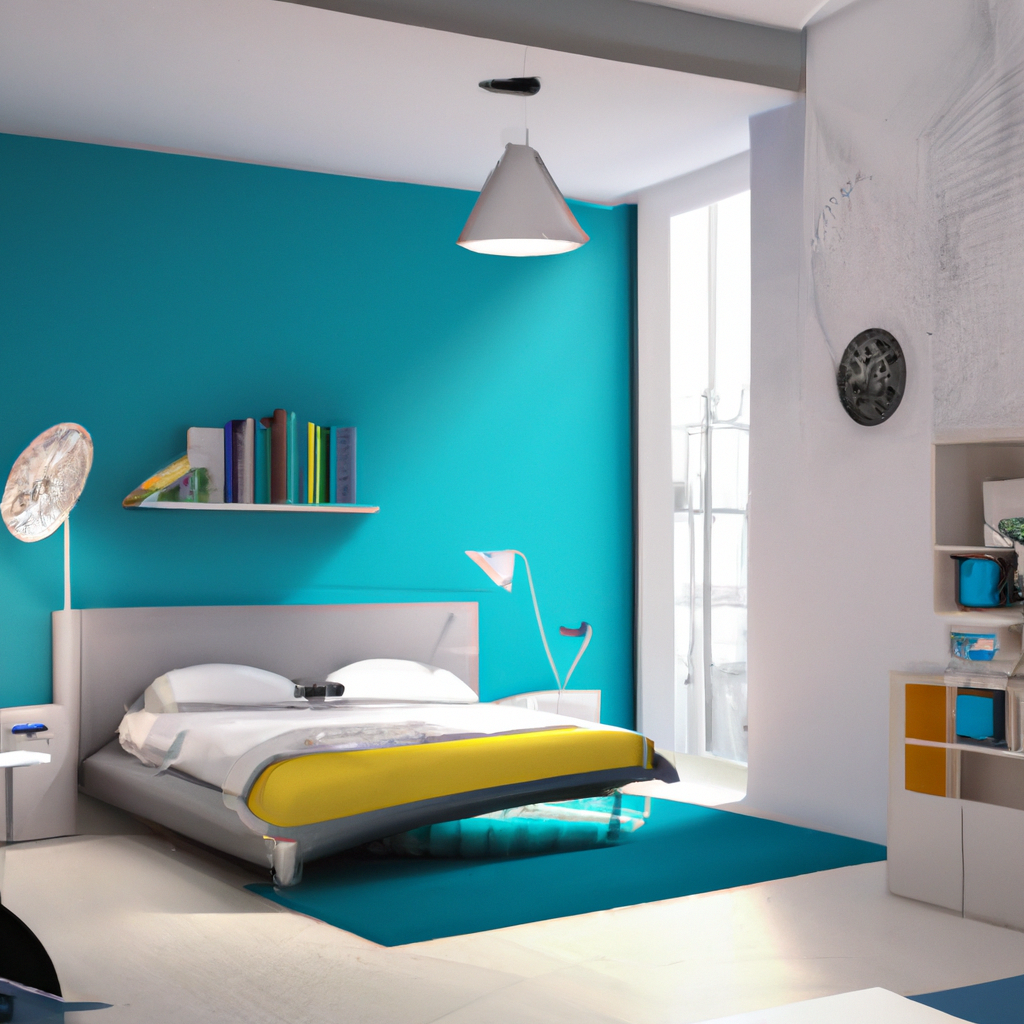
For a 20 m² bedroom, opt for soft and soothing shades like pale blues, sage greens, beiges, or light grays, which promote relaxation and visually optimize the space.
Site planning: time and organization
Good organization is key to a successful project. Establish a realistic schedule that takes into account essential drying times.
Execution schedule for a 20 m² bedroom
- Day 1: Surface preparation (cleaning, patching, sanding)
- Day 2: Application of primer if necessary
- Day 3: First coat of paint on all walls
- Day 4: Second coat of paint
- Day 5: Finishing touches, touch-ups, and removal of protections
Allow approximately one full week for a professional result, including drying times between each step. For a 20 m² bedroom, the actual application time generally represents 2 to 3 days of work.
Professional tips for a flawless finish
Details make all the difference between amateur work and a professional finish. Here are some techniques used by experts to guarantee a perfect finish.
Application techniques for optimal results
- Always start by painting corners and edges with a brush before using a roller
- Use the "W" technique with your roller for even paint distribution
- Maintain a "wet edge" to prevent the paint from drying between two adjacent areas
- Choose a medium-pile roller (12-14mm) for standard walls and a long-pile roller for textured surfaces
- Work in sections of approximately 1m² to maintain control over the application
To avoid overlap marks, always paint continuously and finish your movements in the same direction. Skimming light will help you spot imperfections before they become permanent.
Budget and savings: optimizing your paint investment
Doing your own painting work already represents substantial savings, but a few additional tips can help you optimize your budget.
Tips for controlling costs without sacrificing quality
- Invest in medium to high-quality paint: it will offer better coverage and increased durability
- Buy quality tools that can be reused for other projects
- Ask for samples to test colors before buying large quantities
- Take advantage of seasonal promotions from DIY stores to save up to 30%
- Accurately calculate your needs to avoid waste or additional purchases
For a 20 m² bedroom, expect to pay between €80 and €150 for the paint alone (depending on the chosen quality), plus €30 to €50 for tools and accessories if you don't already own them.
Share
