














How to Make Burlap Curtains: DIY Guide
An authentic, warm interior often begins with raw, tactile materials. Burlap, with its distinctive weave and natural hue, turns a simple window into a striking feature. If you’re drawn to a creative project that marries simplicity with style, this guide walks you through making your own curtains, from selecting the fabric to the finishing touches that truly elevate the result. Let the rustic charm and softly filtered light of this noble fibre bring a quiet, grounded beauty to your home.
Interior decoration constantly seeks to blend authenticity and aesthetics, and jute fabric has emerged as a key material to achieve this. Making your own curtains from jute fabric is not only an accessible creative project; it is an invitation to infuse a touch of natural, rustic-chic, or bohemian spirit into your home. These curtains bring a unique texture, incomparable warmth, and a neutrality that serves as an ideal backdrop for many styles. In this article, we will explore all facets of this DIY project, from choosing the fabric to the most stylish finishes, including maintenance tips to preserve your creation. You will discover that making jute curtains is within everyone's reach and opens up an infinite field of possibilities for personalization.
Why choose jute fabric for your curtains?
Before diving into the making, it is essential to understand the strengths and specificities of this noble material. Jute fabric is a natural, biodegradable, and renewable fiber, derived from the bark of the jute plant, cultivated mainly in India and Bangladesh. Its ecological footprint is one of its first major arguments for fans of responsible decoration.
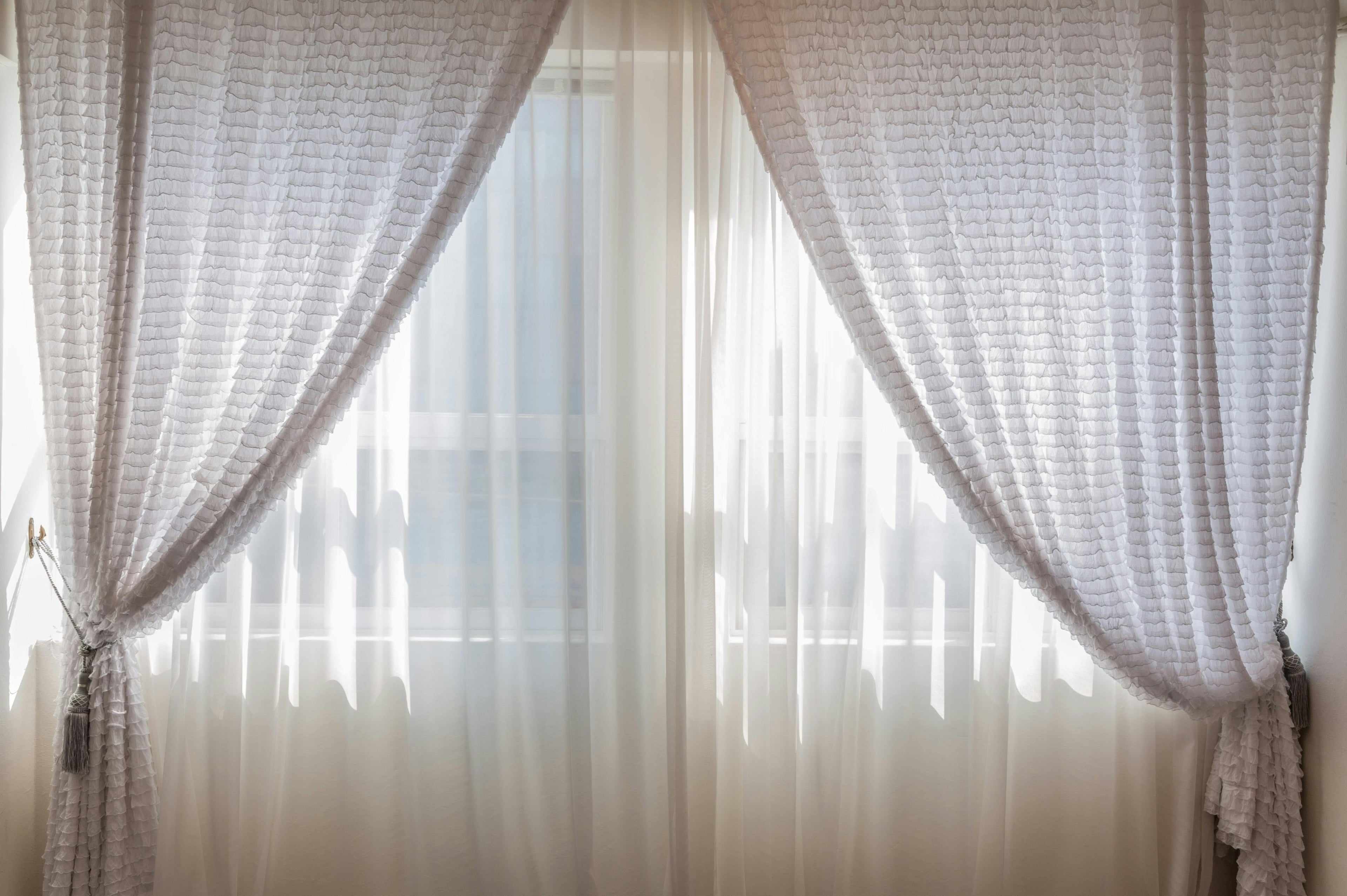
Aesthetically, it offers a rustic texture, a warm and neutral color (ranging from natural beige to golden brown), and a slightly irregular appearance that gives it all its character. Unlike smoother fabrics, it plays with light, creating subtle and warm light and shadow effects in the room. It integrates perfectly into a country, Scandinavian (to add texture), industrial, or ethnic style interior.
From a practical standpoint, jute is a strong and durable fabric, ideal for long-lasting curtains. However, it is less dense than wool or thick cotton, sometimes allowing soft, diffused light to filter through, perfect for creating a gentle ambiance. It is this unique combination of durability, ethics, and raw beauty that makes it such a popular choice.
Essential materials for making your jute curtains
The success of your project depends on good preparation. Gather all the necessary materials before starting to work calmly. Here is the exhaustive list of what you will need.
Jute fabric: roll or cut piece?
You will mainly find jute fabric in standard width rolls (often 140 cm or 150 cm) or in cut pieces per meter. For classic jute fabric curtains, rolls are practical. Calculate your length carefully: plan for the finished curtain height, plus about 20 to 30 cm for top and bottom hems. For a fuller, more luxurious look, you can sew several widths of fabric side by side.
Sewing and finishing tools
- A robust sewing machine, equipped with a needle suitable for thick fabrics (Jeans/Denim needle size 90 or 100).
- Strong thread, in a matching color (polyester or heavy-duty cotton thread) or contrasting for a decorative effect.
- Sharp sewing scissors.
- A ruler, tape measure, and pins (long ones for thick fabrics).
- Hem tape (fusible, optional, to facilitate finishing).
- An iron for marking folds.
The hanging system: rings, tape, or tabs?
This choice will influence the final style. Metal rings (black, copper, or galvanized) slid onto a rod give an industrial look. Sliding tape sewn onto the back of the curtain offers a more traditional and discreet appearance. Fabric tabs, sewn at regular intervals, create soft, elegant pleating. Plan your materials accordingly.
Step 1: Taking precise measurements
This step is crucial for a professional result. Do not neglect it. First, measure the location where the curtains will be installed.
- Height: Measure from the attachment point of the rod (or ring) to the desired location (just above the floor, on the windowsill, or slightly pooling for a more bohemian effect). Then add the hem allowance (usually 15 cm for the top and 10 cm for the bottom).
- Width: Measure the width of the rod. For a curtain with body that closes well, multiply this width by 1.5 to 2.5 depending on the desired fullness. If your fabric is 140 cm wide, you may need to join several widths.
Tip: If your jute fabric is new, allow for slight shrinkage on the first wash. It is therefore prudent to pre-wash and iron it before cutting, or add an extra margin of 2-3%.
Step 2: Cutting and preparing the jute fabric
Spread the jute fabric on a large flat surface. Using your tape measure and ruler, draw straight cutting lines with tailor's chalk. Jute fabric may have slightly misaligned threads; follow a weft thread for a perfectly straight cut.
Use sharp scissors to cut. A tip to prevent the edges from fraying excessively during handling is to quickly overlock them by hand with a zigzag stitch, or apply a little special textile glue to the cut before proceeding with the hems. This precaution is particularly useful with jute.
Step 3: Making the hems, the key to finishing
Well-made hems ensure the structure and aesthetics of your jute curtains. Always start with the side hems (the selvages), then treat the bottom, and finally the top which will accommodate the hanging system.
Side hems and bottom hem
For the sides, fold the edge over 1 cm to the wrong side first, press. Fold a second time over 1.5 to 2 cm, pin, and stitch all the way with the machine. For the bottom hem, the method is similar but with more generous widths to add weight: a first fold of 2 cm, then a second of 5 to 8 cm. Stitch carefully. For an ultra-clean look, you can sew this hem by hand with an invisible stitch.
The top hem and installing the hanging system
This part varies depending on your choice. For sliding tape, simply sew the tape onto the wrong side of the curtain top, leaving the tunnels free for the rod. For rings, create a pocket by folding the top over 4 to 6 cm to the wrong side and stitching the edge. You will then slide the rod into this pocket. For tabs, cut strips of fabric (in jute or a contrasting fabric) and sew them at regular intervals onto the wrong side of the curtain top.
Step 4: Personalizing and decorating your jute fabric curtains
This is where your creativity can fully express itself. Jute fabric, with its neutrality, lends itself to a multitude of customizations.
Dyeing or painting jute
To move beyond natural tones, you can dye your jute with natural dyes (tea, coffee, onion skins) or standard fabric dyes. The result will be less uniform than with cotton, creating a unique, washed-out effect that is very trendy. Fabric paint, applied with a stencil for geometric patterns or fringes, is also an excellent option.
Adding appliqués, embroidery, or pom-poms
For a bohemian ambiance, sew colorful pom-poms along the bottom edge. Appliqués in felt or contrasting cotton (geometric shapes, leaves, stars) will add a playful touch. Hand embroidery, with wool or embroidery thread, allows you to create subtle patterns that will play beautifully with the texture of the jute.
Creating transparency and texture effects
To soften the look and let more light through, you can cut out patterns (circles, stars, waves) in the upper part of the curtain. Another trendy idea is to sew vertical strips of a lighter fabric, such as muslin or linen, alternating with strips of jute.
Maintaining and making your jute curtains last
Jute is a natural fabric that requires some care. It does not tolerate repeated machine washes well, which could make it brittle. The ideal is regular vacuuming with the soft brush attachment of the vacuum cleaner to remove dust.
In case of a stain, act locally with a damp cloth and a little Marseille soap, dabbing gently without rubbing. For deep cleaning, hand washing in a basin of lukewarm water with a mild detergent is possible. Rinse thoroughly, wring without twisting, and dry flat, horizontally, away from direct heat. Iron on the wrong side with a medium-temperature iron.
Over time, jute may slightly patina, which adds to its rustic charm. Simply avoid prolonged exposure to direct sunlight which could cause it to fade unevenly.
Inspirations and trends: where and how to use jute curtains?
Jute fabric curtains are not limited to living room windows. Their versatility is a major asset.
- Room dividers and space separators: In a loft or large studio, a jute curtain suspended from the ceiling creates a soft, textured separation between two living areas.
- Shower enclosure or headboard: For a spa or bohemian-chic ambiance, a jute shower curtain (waterproofed with a suitable spray) or a bed canopy brings immediate warmth.
- Seasonal decorations: For autumn or Christmas, jute curtains serve as a perfect base for hanging leaf garlands, lights, or natural decorations.
- Japandi style: The combination of Japanese and Scandinavian, very popular, advocates natural materials and textures. A minimalist jute curtain with clean finishes integrates perfectly.
Alternatives and material mixes with jute
If the pure texture of jute seems too raw, do not hesitate to combine it with other fabrics. This mix-and-match approach is very current.
You can create curtains with horizontal stripes alternating jute and ecru linen for a nautical look. Sewing a border in corduroy velvet or thick colored cotton on the edges of the jute curtain structures the whole and adds a touch of color. For a lighter version, use jute as a decorative band at the top of a voile curtain. The possibilities are endless and allow you to soften or dress up the jute according to your desires.
FAQ: Your questions about jute fabric curtains
Does jute let light through?
Yes, but in a soft, diffused manner. Jute fabric is not an opaque fabric like velvet. It filters light, creating a warm and gentle ambiance, perfect for living spaces. If you need total darkness for a bedroom, you will need to line it with a denser fabric or pair it with a blind.
Do jute curtains attract dust?
Like any textured textile, jute can retain a bit more dust than a smooth fabric. This is why regular maintenance by vacuuming is recommended. However, its natural color and texture generally conceal dust better than a plain, light-colored fabric.
Can jute curtains be machine washed?
It is strongly discouraged to wash jute in the machine, even on a delicate cycle. The agitation and spinning risk deforming the fabric, felting it, or damaging it. Always prefer local stain cleaning or gentle hand washing, followed by flat drying.
How to prevent jute edges from fraying?
Fraying is a natural characteristic of the fiber. To control it, the best method is to make neat, securely sewn hems. Before sewing, you can also apply an anti-fray product (spray or brush) to the cut edges, or use a machine overlock stitch if you have the capability.
Where to buy quality jute fabric?
You will find it in haberdashery stores, fabric shops, hardware stores (in the packaging/moving section, but check the quality), and of course online. For a decor project, choose a "decorative" jute fabric rather than a potato sack; it will be softer to the touch and of superior visual quality.
Conclusion: Embark on the DIY jute curtain adventure
Making your own jute fabric curtains is much more than a simple craft activity. It is an act of creation that allows you to bring a unique piece, full of meaning and naturalness, into your home. Whether you opt for a raw and simple model or a personalized and decorated version, the result will bring immediate warmth and character to your room. By mastering the steps of measuring, sewing, and finishing, and by following our maintenance tips, your curtains will accompany you for many years.
We hope this comprehensive guide has given you all the keys and inspiration needed to get started. Do not hesitate to explore other natural decor ideas and share your creations. To continue finding inspiration for a home that reflects you, dive into the world of textures and materials on ombreinterieur.fr, your source of ideas for creating a unique and harmonious interior. Check out our article how to whiten curtains to go further. Get inspired on our decoration website for your next projects.
