















How to Furnish a Small Studio: Tips and Ideas
Furnishing a small studio is often an exciting challenge, at the crossroads of spatial constraints and aesthetic aspirations. Between the desire for a functional, comfortable interior and the expression of one's personality, every square centimeter counts. This type of housing, increasingly common in urban areas, requires deep thought on space optimization without sacrificing style. Fortunately, with smart planning, pro tips, and a touch of creativity, transforming a cramped studio into a multifunctional haven of peace is entirely achievable. This article guides you step by step, from the fundamental principles of zoning to clever furniture choices, including current trends in colors and textures, to turn your small space into a living area that is both practical and inspiring.
Fundamental Principles: Zoning and Flow
Before even choosing a single chair, the first step in furnishing a small studio is to establish a clear zoning plan. A studio is by definition a single space that must accommodate all the functions of daily life: sleeping, eating, relaxing, working, and sometimes cooking. The key to success lies in creating virtual "rooms" within the overall volume.
Define Functional Zones
Take the time to analyze your priority needs. A remote worker will need an ergonomic desk area, while a cooking enthusiast will prioritize a pleasant dining space. Identify the non-negotiable zones: the sleeping area, dining area, relaxation area, and work area. Use the apartment plan, even hand-drawn, to experiment with layouts.
Fluidity and Circulation
Smooth circulation is essential to avoid a feeling of suffocation. Ensure you leave at least 60 cm wide walkways between furniture. Avoid blocking windows or doors. The idea is to create a natural path that winds between the different zones without obstacles, thus preserving an impression of space and lightness.
The Art of Multifunctional and Foldable Furniture
In a small studio, every piece of furniture must justify its presence, preferably by serving multiple uses. Multifunctional furniture is your best ally for saving space and gaining flexibility. Current trends offer a multitude of design options, far from the basic solutions of the past.
Among the essentials, the mezzanine bed or wall-mounted folding bed (telescopic type) frees up considerable space during the day for a desk or living room. The sofa bed, meanwhile, has evolved significantly. We now favor models with built-in storage under the seats and easy unfolding mechanisms, some even offering real sleeping comfort.
- The extendable or drop-leaf table: Perfect for the dining area or desk, it remains discreet daily and expands for a dinner occasion.
- Storage poufs and stools: They serve as extra seating, an impromptu coffee table, and hide blankets, books, or equipment.
- Modular shelving: True virtual partitions, they delineate spaces while offering open and decorative storage.
Optimize Verticality: Storage from Floor to Ceiling
When floor space is limited, the only direction to conquer is vertical. Utilizing ceiling height is a winning strategy to free up living space and maximize storage.
Tall Bookshelves and Shelving
Don't hesitate to install wall shelves up to the ceiling. They draw the eye upward, creating an illusion of volume, and allow you to store a multitude of objects. For an airy effect, choose models with light finishes or glass, or opt for floating shelves that seem suspended in the air.
Storage in Dead Spaces
Often overlooked spaces, such as above doors, window reveals, or deep corners, can be equipped with custom solutions. Narrow sliding closets, triangular corner shelves, or towel racks on the bathroom door are valuable space savers.
The Illusion of Space through Colors and Light
The color palette and lighting are powerful tools for radically altering the perception of a studio's dimensions. Current trends in decoration for small spaces advocate nuanced and thoughtful approaches.
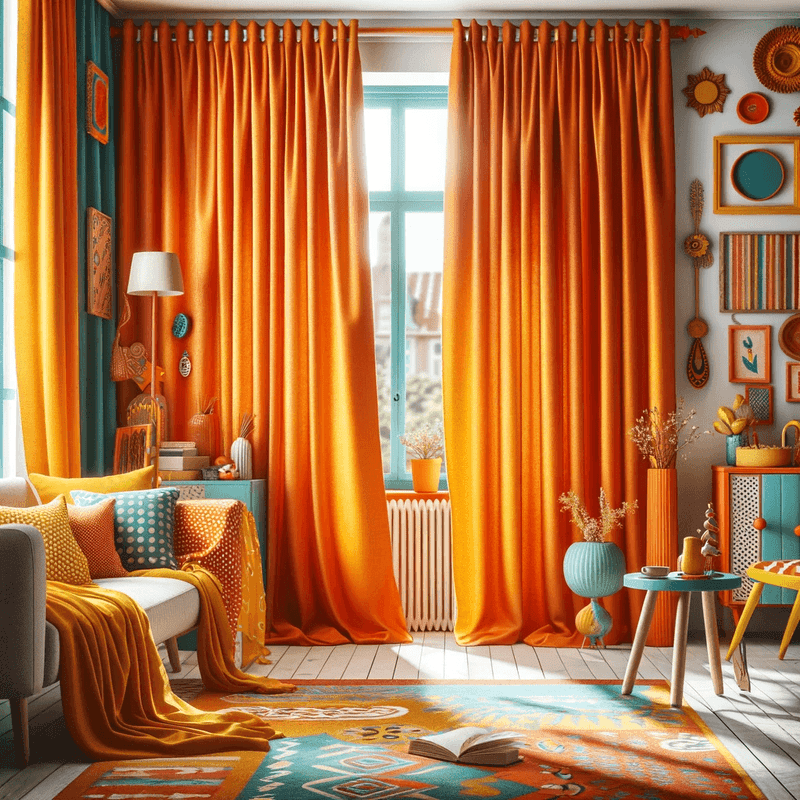
The classic rule of light walls (white, beige, very pale gray, soft pastel) to visually enlarge the space remains valid. However, decorators are increasingly daring with accent walls or alcoves painted in deep colors (midnight blue, forest green, terracotta) to create depth and character without overwhelming the room. The key is consistency and limiting strong contrasts.
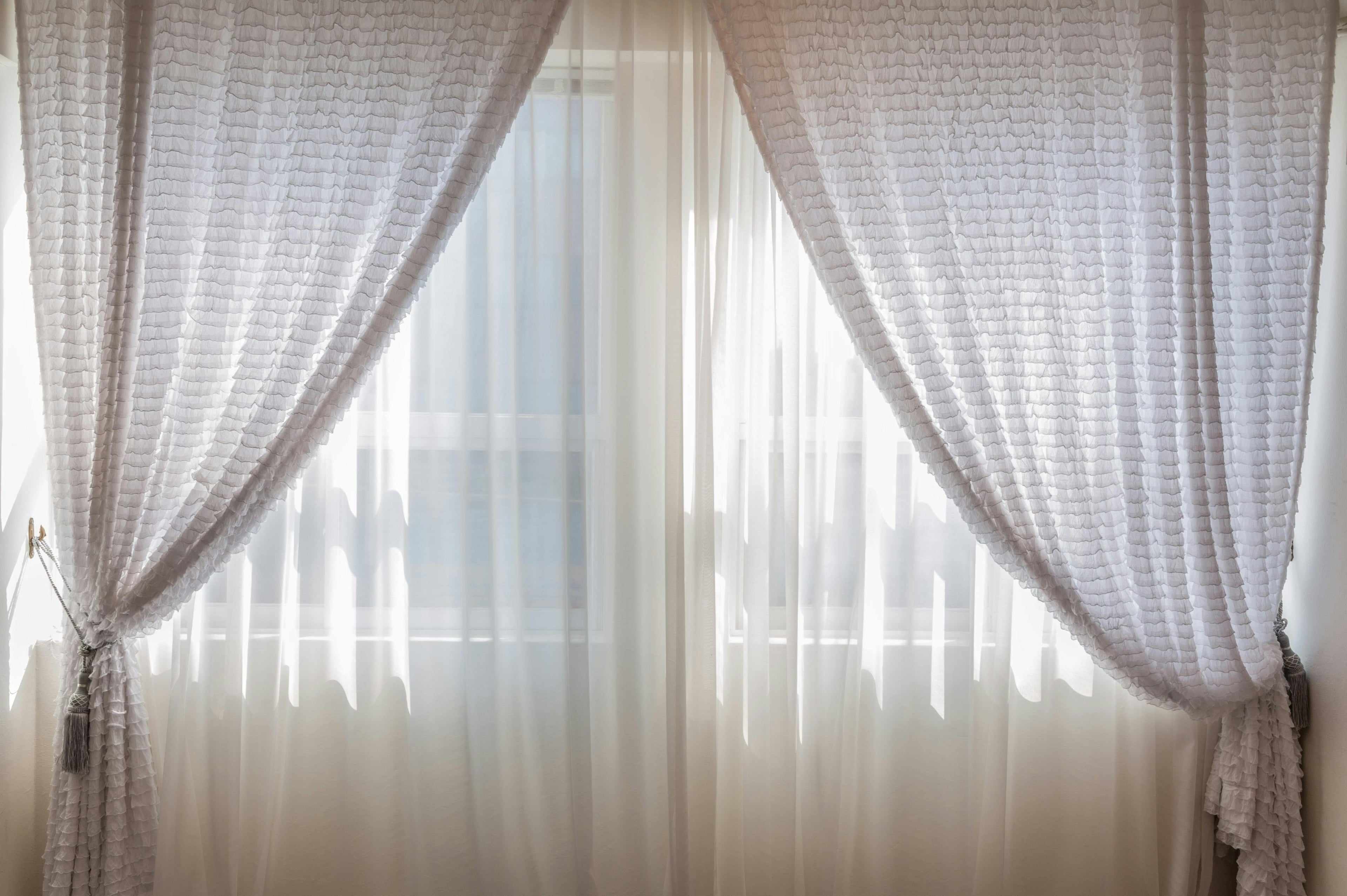
Natural light is to be cherished. Avoid heavy, opaque curtains. Prefer sheer curtains, Roman shades, or curtains that pull completely to the sides. For artificial lighting, opt for multi-source lighting: a pendant light above the table, table lamps for reading corners, adjustable spotlights, or LED strips under shelves for ambient lighting that sculpts the space.
Choose Furniture with the Right Scale and Clean Lines
Nothing crushes a small space more than massive, oversized furniture. Furniture choices must be dictated by correct proportions and an aesthetic that promotes visual fluidity.
Prioritize furniture with legs, which allows you to see the floor and gives an impression of lightness. Sofas and armchairs with thin armrests and low profiles are preferable. For the coffee table, glass models or those with narrow oval/rectangular shapes are perfect as they don't interrupt the sightline.
- Avoid overly imposing furniture: A three-seater sofa in a 20m² studio will dominate the entire space. A two-seater, or even a suitable corner sofa, will be more sensible.
- Favor transparency: Furniture made of glass (tables), acrylic (chairs), or open-weave rattan allows light and sight to pass through.
- Think "custom-made": To perfectly utilize an alcove or niche, custom-made furniture is often the most optimal and aesthetic solution.
Delineate Spaces without Physical Walls
Creating a separation between the sleeping area and the living area without building walls is essential to preserve openness while establishing necessary privacy. The solutions are numerous and decorative.
Room dividers are making a strong comeback. Modular, they adapt to all styles, from Japanese rice paper to designs with fabric or metal inserts. Curtains suspended from the ceiling or a track offer a soft and economical separation. For a more structural solution, open bookshelf units accessible from both sides are ideal: they store and separate without blocking light.
Other subtle tricks contribute to zoning: a change in flooring (parquet in the living room, carpet or seagrass in the bedroom), a play of levels with a raised platform for the bed, or simply the different orientation of furniture to create distinct "rooms".
Smart Storage and Creative Storage Solutions
Clutter is the number one enemy of small spaces. A well-organized studio will always appear larger. It's about adopting an active and ingenious storage philosophy.
Adopt the principle of vertical storage in closets with dividers, stackable drawers, and magazine holders to optimize every centimeter. Use the inside of doors (entry door, closet, bathroom) with pocket organizers or hooks. Uniform decorative boxes and baskets (in wicker, neutral fabric) are perfect for storing under tables, on shelves, or in mezzanines, maintaining visual harmony.
Also think about "invisible" storage solutions: a bed with built-in storage drawers, a coffee table with a lift-top and secret compartment, or a hollow step stool that transforms into a blanket chest.
Current Trends for Small Studios
The decoration of small spaces evolves with the times. We are currently seeing a movement towards warmer, more personal, and flexible interiors, far from the cold minimalism sometimes associated with small spaces.
The "Japandi" trend, a fusion of Japanese style (clean, functional) and Scandinavian (soft, natural), is perfect for studios. It advocates natural materials (light wood, linen, stone), calming colors, and smart decluttering. Large mirrors with original shapes are more popular than ever for reflecting light and visually doubling the space. Finally, personalization is key: don't hesitate to hang a gallery wall, display your collections, or choose vintage pieces that tell a story, because that's what makes a studio unique and lively.
Furnishing Specific Rooms: Kitchen and Bathroom
In many studios, the kitchen is often an integrated kitchenette and the bathroom a minimal space. Their layout deserves special attention.
The Kitchenette
For the kitchen, optimization is paramount. Use magnetic strips or bars to hang utensils and pots. Open shelves above the countertop replace upper cabinets, which are less imposing. A mobile central island with storage can serve as extra counter space, a breakfast bar, and a separation from the rest of the studio.
The Bathroom
In a small bathroom, prioritize a walk-in shower without a tray for a more spacious effect. Narrow, tall vanity units, mirrors with integrated side storage, and wall-mounted heated towel rails save valuable space. A light color and generous lighting are essential.
Avoiding Common Mistakes in Furnishing
Certain seemingly good ideas can quickly weigh down and shrink a studio. Being aware of them allows you to avoid them.
- Too many small pieces of furniture: This creates a cluttered and scattered effect. It's better to have a few structural pieces than many small elements.
- Neglecting lighting: Relying only on the central ceiling light creates shadows and flattens the space.
- Trying to hide everything: Closed storage everywhere can give a bunker-like impression. Mix closed doors and open shelves.
- Ignoring versatility: Insisting on having a classic dining table, a dedicated desk, and a separate sofa in 25m² is often unrealistic. Flexibility is key.
FAQ: Your Questions on Furnishing a Small Studio
What color should absolutely be avoided for the walls of a small studio?
There are no forbidden colors, but very dark and saturated colors (black, bright red, navy blue) on all four walls can, if not well managed, absorb light and "bring" the walls closer. If you like them, use them as an accent on a single wall or in alcoves, and compensate with very generous lighting and reflections (mirrors, metals).
Is a sofa absolutely necessary in a studio?
No, it's not mandatory. Depending on your lifestyle, a large comfortable armchair, a custom-made bench with storage, or even large floor cushions can perfectly create a relaxation area and free up space for other functions. The important thing is to have a comfortable seat to rest outside of bed.
How to manage cables and outlets in a multifunctional studio?
Cable management is crucial for a clean interior. Use cable sleeves or boxes to group wires behind the desk or TV. Consider wall-mounted power strips that discreetly run along baseboards. When planning, anticipate outlet locations to avoid wires crossing the room.
Is a rug recommended in a small space?
Yes, absolutely. A well-chosen rug helps define a zone (like the living area) and adds warmth and acoustic comfort. Choose one large enough so that the feet of the main furniture (sofa, armchairs) at least partially rest on it. Avoid overly large and busy patterns that can visually fragment the space.
How to add personality without cluttering?
Prioritize quality over quantity. A beautiful original artwork, a souvenir object from a trip, a designer lamp, or textiles (cushions, throws) with interesting textures add a lot of character. Use vertical space to display these items (shelves, walls) without cluttering the floor.
Conclusion: Your Studio, a Dream of Efficiency and Style
Furnishing a small studio is much more than a simple logistical exercise; it's an opportunity to be inventive and design an interior perfectly suited to your lifestyle. By mastering zoning principles, investing in smart furniture, and playing with light and colors, you will transform spatial constraints into assets. Remember that the ultimate goal is to create a space where you feel good, that reflects you, and meets all your daily needs. Furnishing a small studio is an evolving process: don't hesitate to readjust and reorganize over time. To discover more inspiration, decor tips, and complete guides on space optimization, continue your exploration on ombreinterieur.fr, your resource for creating the interior you dream of, no matter the square meter. For more tips, discover how to furnish a studio with off-white clocks on the blog. Browse our online store to see all our collections.
```