















How to Furnish a Studio: Tips and Ideas
Furnishing a studio is an exciting challenge that requires both creativity and strategy. This small living space, often synonymous with freedom and a first home, can quickly become a headache if not approached with the right keys in hand. The goal is not simply to pile up furniture, but to create a functional, aesthetic, and pleasant interior to live in daily, where every square meter is optimized. Between the sleeping area, dining area, workspace, and living room, you need to make everything coexist without feeling cramped. Fortunately, with current trends like modularity, custom solutions, and thoughtful decoration, transforming your studio into a cozy and ultra-functional nest is within everyone's reach. This article guides you step by step, from the main layout principles to choosing furniture and finishes, to make your studio a space where you feel perfectly at home.
The Fundamental Principles for Successfully Furnishing a Studio
Before choosing a single piece of furniture, it is crucial to adopt a strategic vision. Furnishing a studio rests on three inseparable pillars: multifunctionality, visual flow, and smart storage. Each object must justify its presence through its utility, or even several. The goal is to create distinct zones without building walls, by playing with furniture, levels, and decoration to guide the eye and usage.
Circulation is a key point. You need to be able to move around easily without obstacles, which means meticulously measuring the space and prioritizing furniture with suitable dimensions. Finally, thinking about light, both natural and artificial, and colors is essential from the start, as these are powerful levers to visually enlarge the space and create the desired atmosphere.
The Golden Rule: One Piece of Furniture, Multiple Functions
In a studio, a sofa is not just a sofa. It can become a guest bed, a storage space (model with drawers), or even define a zone. A desk can transform into a dining table, a coffee table can integrate storage bins. This approach reduces the number of furniture pieces while retaining all the functionalities necessary for daily life.
Defining and Delimiting Living Zones Without Walls
Creating a functional studio means successfully housing several rooms in one. Since physical separation is impossible, you need to use decorative tricks to define the sleeping area, living space, dining zone, and desk. This delimitation involves several techniques that you can combine.
The first is the strategic use of furniture. An open bookshelf, a sofa with its back to the bed, a screen, or a sliding curtain can serve as light dividers. The second technique involves playing with levels: raising the sleeping area with a mezzanine or a platform integrating storage drawers is a very effective solution to save floor space.
Finally, the decoration itself can create separation. Use different floor coverings (a rug in the living room, parquet in the sleeping area), distinct colors or lighting atmospheres for each space. Soft, warm lighting near the bed, and brighter, directional lighting on the desk, for example, will naturally mark the difference in use.
The Example of the Hidden Sleeping Area
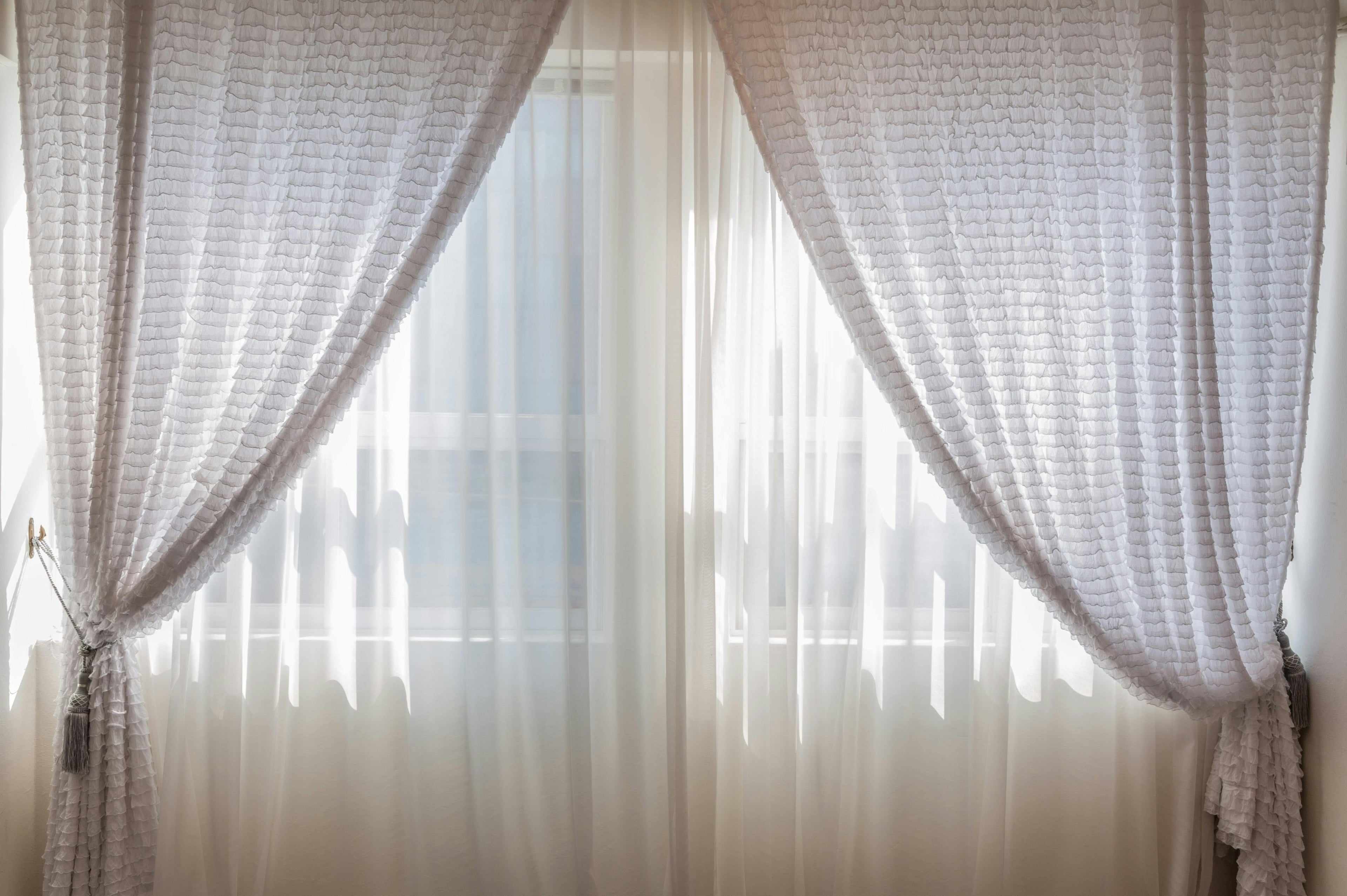
To preserve privacy and prevent the bed from being the focal point of the studio, opt for a wall bed (murphy bed) or a design sofa-bed. Another strong trend is the use of large curtains from floor to ceiling that can be drawn in the evening, creating a cozy alcove visually separated from the rest of the space.
Choosing Furniture: Prioritizing Design and Functionality
Furniture is the skeleton of your studio. Its choice must be dictated by two imperatives: dimensions adapted to the small surface area and great versatility. Forget bulky, deep furniture that overwhelms the space. Turn to clean lines, slim legs that reveal the floor (this visually enlarges the room), and lightweight materials like glass, fine metal, or light wood.
Current trends are your allies. Modular furniture, like customizable L-shaped sofas or extendable tables, offers valuable flexibility. Custom-made furniture, although representing an investment, allows you to exploit every available centimeter, especially corners and space under slopes. Finally, "evolving" furniture that grows with your needs (adjustable shelves, height-adjustable tables) is a wise choice.
- The Sofa: Prioritize a two-seater model with thin armrests, or even a bench sofa with integrated storage. Models without a fixed back (like "back cushions") can also serve as a guest bed.
- The Table: A folding or drop-leaf table against the wall, a nesting table with small stackable modules, or a removable top on a fixed base are ideal solutions.
- The Bed: A bed with integrated storage drawers in the base is essential. Loft beds free up colossal space underneath for a desk or dressing area.
- The Seating: Prefer stackable stools, poufs that also serve as side tables or storage, and lightweight chairs that can be hung on the wall.
The Art of Storage in a Studio: Maximizing Every Centimeter
Clutter is the number one enemy of small spaces. A well-organized studio immediately appears larger and more serene. The storage strategy must be thought of as a global system, from floor to ceiling.
Exploit verticality, often underused. Open shelves up to the ceiling, tall bookcases, storage modules suspended above doors or windows allow you to store without encroaching on living space. Use the space under furniture: beds, sofas, and seats with integrated storage are invaluable.
Also think about "hidden" and aesthetic storage. Harmonious crates or baskets under a coffee table, luggage racks turned into decorative elements, a screen dressing up a simple shelving unit. The idea is to turn the constraint into a decorative asset. Wall solutions like pegboards in the kitchen or above the desk offer modular and trendy storage.
Creating a Dressing Area in a Studio
If a dedicated room is impossible, create a makeshift dressing area. A simple clothes rail fixed to the wall and protected by a curtain, a rail suspended from the ceiling, or using a narrow wardrobe combined with low chests of drawers can constitute an effective solution. Regularly sort your clothes to keep only the essentials and prioritize seasonal storage (under the bed, up high).
Playing with Colors and Light to Enlarge the Space
The color palette and lighting are magical tools for influencing the perception of space. To create an impression of unity and spaciousness, a base of light, neutral colors (white, beige, very pale gray, taupe) is recommended on walls and large furniture. These shades reflect light and give a feeling of air and space.
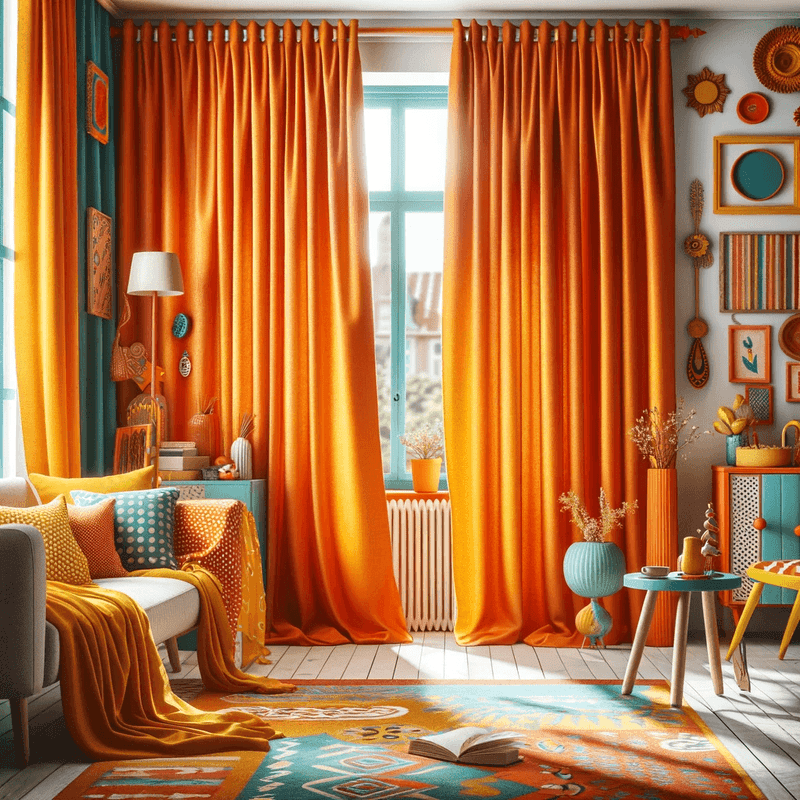
However, to avoid a sterile look, don't hesitate to introduce touches of brighter colors or textured materials in small doses: a colorful sofa, cushions, a patterned rug, a piece of art, or an accent wall. This punctuation creates rhythm and personality. The current trend leans towards soft monochrome atmospheres, where you play with shades of the same color family (camaïeu of terracotta, sage greens, or gray-blues) for a soothing and elegant effect.
For light, bet on layering sources. General ceiling light (flush mount or spots), complemented by ambient lighting (garlands, table lamps) and task lighting (desk lamp, kitchen spot). Use mirrors strategically placed opposite windows to double natural light and create fascinating visual depth.
Current Trends for Furnishing a Studio in 2026
Interior decoration is constantly evolving, and solutions for small spaces are becoming increasingly ingenious and aesthetic. Here are the key trends to observe for furnishing a modern studio.
"Chameleon" furniture is booming. These are pieces that literally transform: coffee tables that rise to become dining tables, bookcases whose sliding panels hide a desk, beds that disappear into a closet. Technology and design combine to offer ultra-compact solutions.
Customization and made-to-measure are no longer reserved for large surfaces. Many brands and artisans now offer solutions adapted to studios, allowing you to dress a corner, create a piece of furniture along the entire length of a wall, or perfectly integrate appliances.
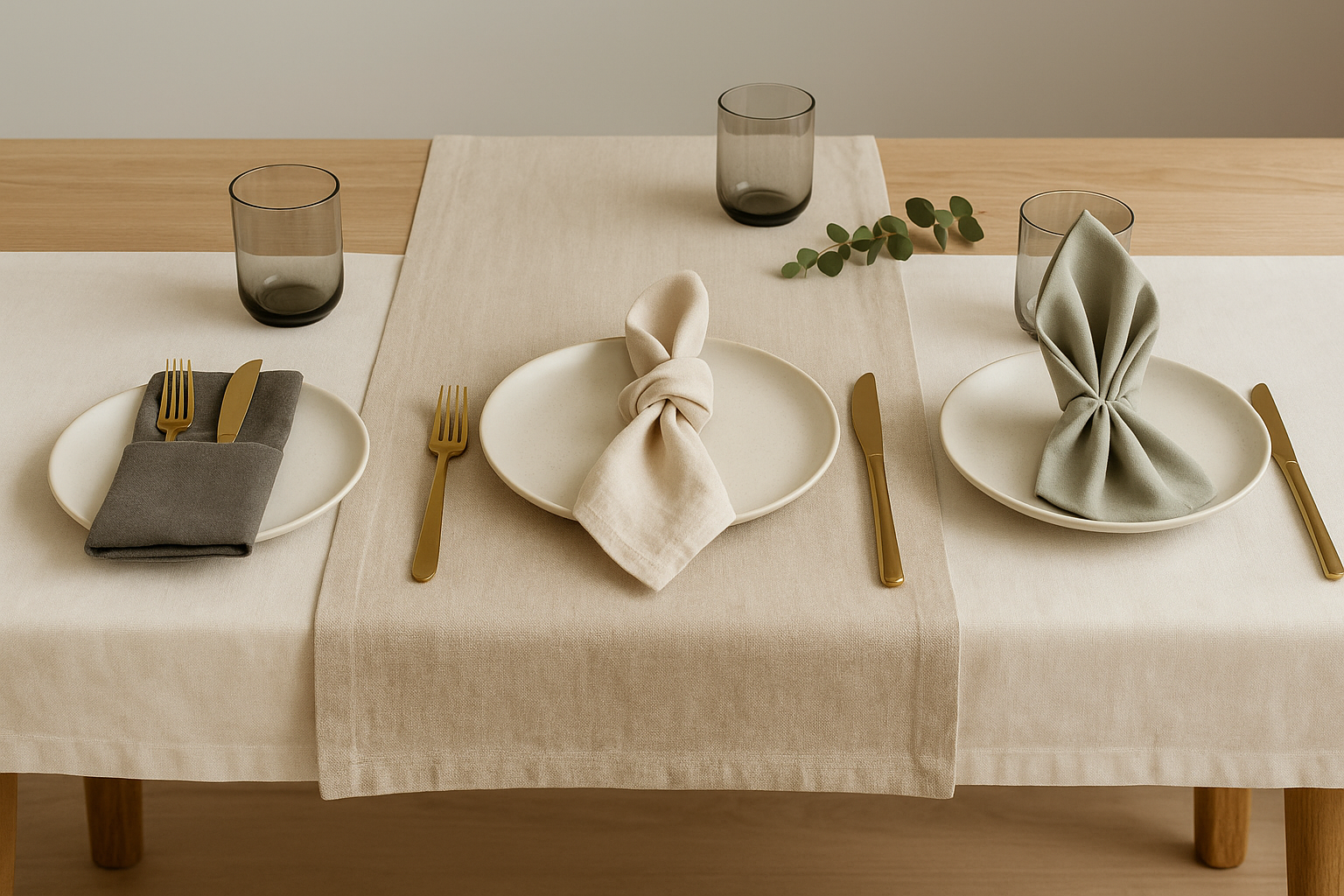
Finally, the "warm minimalism" style is perfect for studios. It combines the purity and functionality of minimalism with natural materials (wood, linen, wool, wicker), organic shapes, and touches of earthy colors to create an interior that is both orderly, soft, and inviting.
Avoiding Common Mistakes When Furnishing a Studio
Certain pitfalls can compromise the balance and comfort of your studio. Identifying them allows you to avoid them easily.
- Over-furnishing: This is the most common mistake. Resist the temptation to fill the space. Every new purchase should be carefully considered.
- Neglecting circulation: Leaving passages at least 60 cm wide between furniture is essential to avoid feeling cramped.
- Using furniture that is too large: A standard three-seater sofa can ruin the balance of a small studio. Always measure before buying.
- Forgetting scale: Small patterns on wallpaper or furniture that is too low can "lower" the ceiling. Play with verticality.
- Skimping on storage: Without an effective storage system, clutter quickly sets in and makes the space unlivable.
Studio with Open Kitchen: How to Integrate It Harmoniously
In the majority of studios, the kitchen is either an integrated kitchenette or an open corner. The challenge is to make it functional without it visually overpowering the living space.
Opt for a kitchen with finishes that harmonize with the rest of the decor. Simple cabinet fronts, in continuity with the wall colors, allow it to "disappear." Use a central island or a high table that can serve as both a worktop, a bar, and a dining table. Vertical storage is crucial: use shelves for glasses and spices, a magnetic rail for knives, hooks under upper cabinets.
To mask less aesthetic elements (appliances, trash can), consider sliding curtains, removable panels, or furniture with integrated doors. A single worktop that extends from the kitchen counter to the table or desk creates a fluid, space-enlarging line.
FAQ: Your Questions on How to Furnish a Studio
This section answers the most frequent questions when starting to furnish a studio.
What is the minimum budget to furnish a studio?
There is no single answer, but it is possible to make smart choices. Prioritize second-hand, DIY, or low-cost brands for the basics (bed, table, sofa). Possibly invest a bit more in one or two key pieces (a beautiful armchair, a designer light fixture) that will give the space its soul. A budget of €1500 to €3000 is generally enough to furnish a studio functionally and aesthetically by mixing new and second-hand items.
Is a sofa absolutely necessary in a studio?
No, it is not mandatory. If space is very limited, you can replace it with one or two comfortable armchairs, a large floor pouf with cushions, or even arrange a "cushion corner" on a custom-built bench. The important thing is to have a space dedicated to rest and relaxation distinct from the bed.
How to hide the bed during the day in a studio?
Several solutions exist: the wall bed (most effective), the sofa-bed that folds up, using a screen or a blackout curtain drawn in front of the bed alcove, or a platform bed with drawers, covered during the day with a large rug and cushions to transform it into a low lounge area.
Are flat-pack furniture suitable for a studio?
Absolutely, provided you choose them well. Flat-pack furniture from major brands is often designed with dimensions suitable for small spaces and offers numerous storage options. Their modularity is an asset. Simply check their durability in use and prioritize the most resistant materials (thick melamine, solid wood).
How to create an illusion of space with mirrors?
Place a large mirror (or a composition of several mirrors) facing the main light source, usually the window. This will reflect the light and double the perspective. A mirror placed behind a sofa or along a narrow corridor will also create an impression of depth. Avoid small scattered mirrors that fragment the visual space.
Conclusion: Your Studio, a Dream of Efficiency and Style
Furnishing a studio is much more than a logistical exercise; it is a unique opportunity to create a hyper-personalized interior, where every detail counts. By applying the principles of multifunctionality, clever delimitation, and maximum storage, you will transform constraints into creative levers. Remember that the ultimate goal is your well-being. Your studio should reflect you and offer you a practical and inspiring living environment, where you feel both free and enveloped.
Current trends, from transformable furniture to warm minimalism, offer a multitude of options to achieve this with style. So, arm yourself with a tape measure, let your imagination speak, and embark on this exciting adventure. And to continue finding inspiration and concrete advice for every corner of your home, feel free to explore the many resources available on ombreinterieur.fr. Discover the product Black and White Curtain to finalize your decor. Before choosing, browse how to place cushions in the studio. Find our entire decor universe on Ombre Interieur.
