














How to Furnish a 20 m2 Studio: Complete Guide
Furnishing a 20-square-meter studio is an exciting challenge that requires creativity, strategy, and a good dose of optimization. Far from being a constraint, this small footprint is a unique opportunity to create a highly functional and stylish personal cocoon, where every square centimeter is thoughtfully designed and valued. With rising real estate prices and an increasingly prevalent urban lifestyle, knowing how to furnish a 20 m2 studio effectively has become an essential skill. This article is your complete guide to transforming this small space into a living area that is both practical, aesthetic, and perfectly suited to your needs, incorporating the latest trends in interior design and smart furniture.
The Basic Philosophy: Think "Space" Before "Furniture"
Before rushing to a furniture store, it is crucial to adopt the right mindset. In a 20 m2 studio, space is the most valuable resource. Every purchase or layout decision should be evaluated against this question: "Does this truly serve my space?" The goal is to prioritize multifunctionality, visual lightness, and smooth traffic flow. Forget bulky, space-consuming furniture that divides the room. Here, we think in terms of activity zones rather than separate rooms, and we aim to create an illusion of space through visual tricks and thoughtful arrangement.
The Essential Step: Planning and Zoning
Take the time to draw a scale plan of your studio. Many free online apps can help you with this. Identify the fixed elements: the front door, windows (a precious source of light), radiators, electrical outlets, and water supply points. Then, define your living zones. In a studio, we generally distinguish four main zones: the sleeping area (the bed), the living area (sofa, relaxation space), the dining area (table), and the kitchen area (if it is not separate). A work or desk area has also become essential for many.
The goal of zoning is to create a visual or physical separation without building walls. You can use furniture arrangement, screens, level differences (platforms), colors, or even different lighting to delineate each space. For example, a well-placed rug can anchor the living area, while a sliding curtain can isolate the sleeping area in the evening.
Concrete Zoning Example for 20 m2
Imagine a rectangular studio. Near the window, the brightest area, you could set up your workspace or dining nook. The bed could be placed in a corner, possibly raised on a mezzanine or with built-in storage underneath. The living area would occupy the center of the room, with a sofa bed or an armchair facing away from the bed, creating a natural separation. The kitchen, if open, would be aligned along a wall.
Strategic Furniture Choices: Multifunctional and Scaled
This is the heart of success for furnishing a 20 m2 studio. Ideally, each piece of furniture should have more than one use. This "multifunctional" trend has never been stronger, driven by innovation from designers and brands specializing in small spaces.
- The Transformable Bed: This is often the centerpiece. Opt for a bed with large built-in storage drawers in the base, a vertical lift bed (like a telescopic bed) that frees up all floor space during the day, or a comfortable sofa bed that serves as a couch by day. Mezzanine beds are also excellent for freeing up space underneath, which can be arranged as a desk or dressing area.
- The Modular Table: An extendable table is ideal. Small for daily meals or work, it expands to accommodate guests. Wall-mounted folding models (drop-leaf tables) are perfect for very compact studios.
- Smart Seating: Poufs with storage chests, stackable stools, lightweight chairs that can be hung on the wall or under the table. Each seat should be easily movable or storable.
- Vertical Storage: Prioritize tall, narrow furniture over wide, low pieces. A bookcase that reaches the ceiling maximizes storage without encroaching on floor space. Wall shelves are your best allies.
Optimizing Storage: The Key to a Clutter-Free Studio
In 20 m2, clutter is the number one enemy of harmony. Well-planned storage is not only practical but also contributes to a feeling of space and serenity. Adopt the "a place for everything" method.
- Utilize Height: Install shelves above doors, above the bed, in every unused nook. Use matching, aesthetic storage boxes for a coordinated look.
- Built-in Storage: If your budget allows, having custom closets built that perfectly fit the dimensions of your studio (in an alcove, under a roof slope) is the most effective investment. Otherwise, modular DIY systems offer great flexibility.
- Under the Bed: An often-overlooked space. With raised beds or those with deep drawers, you can store out-of-season clothes, linens, or sports gear.
- Double-Sided Furniture: A bookcase or low cabinet can serve as a divider between two zones while offering storage on both sides.
Optical Illusions to Visually Expand the Space
Decoration plays a crucial role in the perception of space. Through clever choices, you can make your studio feel larger than it actually is.
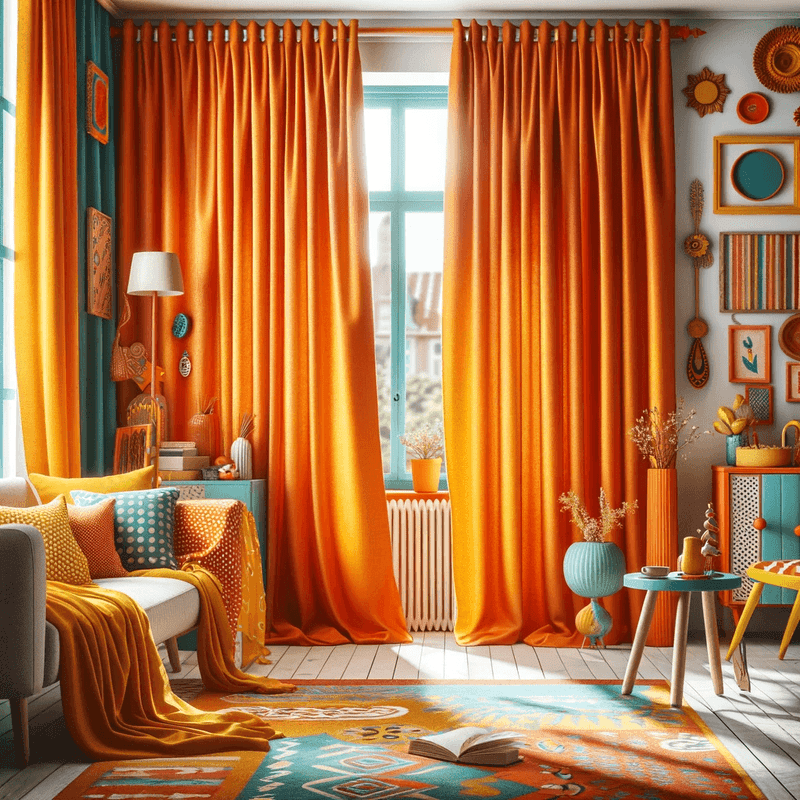
- Light Colors: A dominant palette of whites, beiges, very pale grays, or soft pastels reflects light and expands the boundaries of the room. You can add brighter color accents through accessories (cushions, throws, artwork).
- Color Unity: Painting walls, ceilings, and woodwork (doors, windows) the same light color removes visual breaks and creates continuity that enlarges the space.
- Reflections: A large mirror strategically placed (e.g., opposite a window) literally doubles the light and perspective. Furniture with glossy lacquered or glass finishes (table, shelves) also contributes to this feeling of lightness.
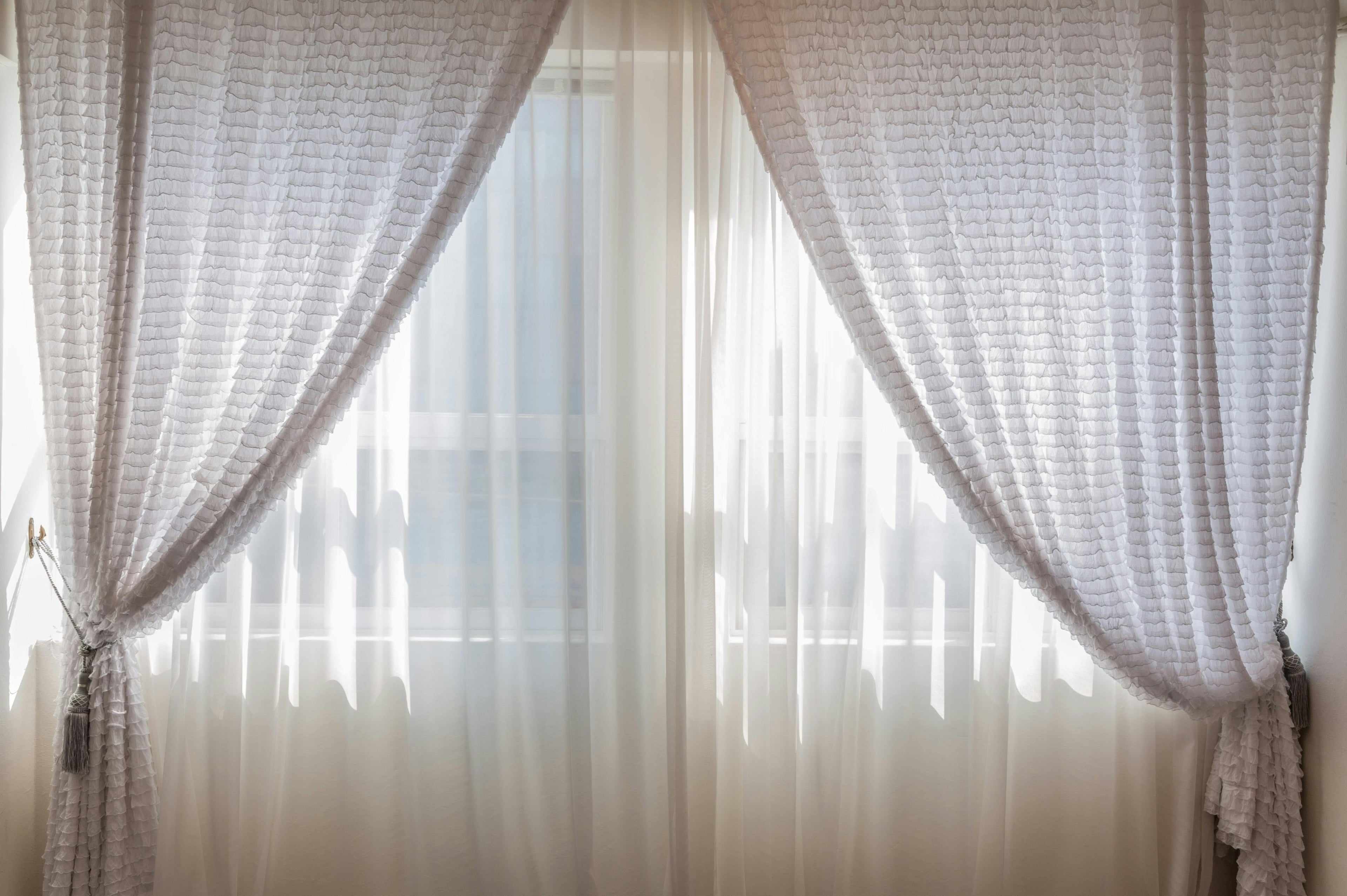
- Floors and Blinds: Flooring or laminate laid lengthwise in the room visually lengthens it. Opt for thin, light-colored blinds or curtains that let in maximum natural light.
Lighting: Layering to Create Ambiance and Volume
A single ceiling light is the mistake to absolutely avoid. It flattens the room and creates unflattering shadows. The solution? Multi-level lighting, or "layered lighting."
- General Lighting (Ambient): This could be a ceiling fixture, but prefer recessed spotlights or discreet pendants that diffuse soft, uniform light.
- Accent Lighting (Task): This is functional lighting for specific activities. A desk lamp for working, a pendant or wall lights above the dining table, a bedside lamp for reading in bed.
- Mood Lighting (Decorative): This creates the atmosphere. An LED strip behind the headboard, fairy lights, a small table lamp on a shelf. These indirect light sources add warmth and depth to the room.
Use dimmers and opt for warm light bulbs (2700K-3000K) for a cozy and welcoming feel.
Current Trends for Small Spaces
The furniture market for small spaces is booming. Here are some trends that work perfectly for furnishing a 20 m2 studio:
- "Invisible" Furniture: Tables that disappear into the wall, electrically liftable beds, integrated seating. Technology serving space-saving.
- Natural Materials and Textures: To avoid a cold or impersonal feel, incorporate wood (oak, walnut), rattan, linen, wool, and green plants. These elements bring warmth and life.
- "Earth" Colors and Deep Tones as Accents: While walls remain light, don't hesitate to paint a piece of furniture in dark blue, forest green, or terracotta to create a focal point and character.
- Customization and DIY: Adapting a standard piece of furniture to your specific needs (adding casters, painting it, raising it) is an economical and unique solution.
Avoiding Classic Mistakes
Some seemingly good ideas can quickly clutter and darken a studio.
- Too Many Small Pieces of Furniture: One large, well-designed storage unit is better than five small scattered pieces that create visual clutter.
- Furniture That Is Too Low: It wastes vertical space. Always prefer tall furniture or pieces that go up to the ceiling.
- Neglecting Traffic Flow: Leave at least 60 cm wide pathways between furniture to move around comfortably.
- Filling Every Wall: A deliberately empty (or nearly empty) wall gives the room breathing room and reinforces the feeling of space.
FAQ: Your Questions on Furnishing a 20 m2 Studio
What is the average budget to furnish a 20 m2 studio?
The budget can vary considerably depending on your choices. By opting for entry-level multifunctional furniture from specialized stores (IKEA, Maisons du Monde, Conforama), you can manage for 1500 to 3000 euros, including major items (bed, sofa, table, storage). For designer, custom, or branded furniture, expect 5000 euros and up. Consider the second-hand market and DIY to reduce the cost.
Is a sofa absolutely necessary in such a small space?
Not necessarily. Even a small two-seater sofa can be bulky. Alternatives exist: a comfortable armchair paired with a pouf or bench, a daybed with accent cushions, or even a floor mattress like a tatami with plush cushions to create a very cozy and flexible relaxation area.
How can I hide the bed during the day?
Several solutions are available. The wall-mounted lift bed is the most radical. Otherwise, you can use a screen or sliding curtain to conceal the sleeping area. A high-quality sofa bed with a good mattress is also an excellent option, allowing you to transform the space into a real living room during the day. Finally, a bed with a designer headboard and carefully arranged cushions can easily integrate into a living area.
How can I incorporate a workspace without it taking over everything?
The idea is to make it discreet and/or foldable. A wall-mounted folding desk that you put away after use is ideal. A shelf fixed to the wall above a dresser can also serve. You can also use a corner of the dining table, provided you have mobile storage (a small rolling cart) to store your computer equipment and easily put it away.
Are plants recommended in such a small space?
Absolutely! Plants bring incomparable vitality and improve air quality. Prioritize climbing plants (ivy, pothos) that dress up a high shelf without taking up floor space, or hanging plants. Upright species like Sansevieria (snake plant) are also perfect. Simply avoid overly voluminous plants or those with large leaves that could obstruct pathways.
Conclusion: Your Studio, a Reflection of Your Ingenuity
Furnishing a 20 m2 studio is much more than a simple logistical exercise; it is a creative adventure that allows you to design a highly personalized interior where every detail matters. By following these principles of zoning, multifunctionality, storage optimization, and optical illusions, you will transform constraints into assets. Your small studio will become a functional, aesthetic haven of peace perfectly adapted to your daily life. Remember that the best ideas often come from a careful observation of your own needs. So, it's your turn! To discover more inspiration and advice on small space design, explore the other articles and guides available on ombreinterieur.fr. Our Soft Acrylic Waffle Knit Throw for Couch and Travel 130x160 cm fits perfectly with this style. Before choosing, browse how to decorate a country chic style studio with cushions. Get inspired on our decoration website for your upcoming projects.
