














How to Furnish a 15 m2 Studio: Complete Guide
Furnishing a 15 m² studio is an exciting challenge, a blend of spatial constraints and creativity. This space, often a first step toward independence, requires careful thought to transform a compact area into a functional, comfortable, and aesthetically pleasing living environment. The goal is not simply to fit in furniture, but to think in three dimensions, optimize every square centimeter, and create optical illusions to enhance the sense of space. With the right strategies, a small studio can become a true haven, reflecting your personality while meeting all your daily needs: sleeping, eating, working, and relaxing. This article guides you step by step, from the fundamental principles of layout to the most ingenious decor tips, to successfully furnish a 15 m² studio with elegance and intelligence.
Fundamental Principles for Furnishing a Small Space
Before choosing any furniture, it is crucial to adopt the right mindset. Furnishing a 15 m² studio relies on essential pillars that will guide all your decisions. The first golden rule is multifunctionality. Ideally, every item should serve multiple purposes. A sofa becomes a bed, a coffee table transforms into a desk, and a staircase incorporates storage drawers.
The second principle is verticality. Walls are your greatest space reserve. Think about developing your decor upward with shelves, tall furniture, or wall-mounted storage solutions. Finally, visual flow is essential. The aim is to create an airy space where the eye moves freely, avoiding any feeling of confinement. This involves a careful choice of colors, furniture with slim legs to free up visual floor space, and organization into well-defined "zones" without heavy physical partitions.
Step 1: Smart Zoning, the Key to Functionality
In a single space, creating distinct zones is vital for psychological comfort. It's not about building walls, but suggesting spaces through decor tricks. To furnish a 15 m² studio, clearly define the sleeping, dining, working, and relaxing areas.
Delineating Without Enclosing
Several techniques allow for this subtle delineation. Using different floor coverings (e.g., a rug in the living area, parquet in the dining space) is very effective. Light is also a powerful tool: a ceiling light above the dining table, directional spots for the desk, an ambient lamp near the sofa.
Furniture itself can serve as light separators. An open bookshelf, a decorative screen, a sofa with its back to the bed, or even a curtain suspended from the ceiling to isolate the sleeping area are elegant and reversible solutions. The goal is to maintain visual unity while offering a sense of privacy and structure.
Step 2: Choosing Furniture: Multifunctional and to Scale
This is the heart of the project. In a 15 m² studio, every piece of furniture must be chosen with watchmaker precision. Prioritize models with adapted dimensions, often called "furniture for small spaces." Avoid bulky, opaque furniture that overwhelms the space.
Essential Multifunctional Pieces
- The mezzanine bed or wall bed: The ultimate solution for freeing up floor space. A mezzanine bed creates usable space underneath for a desk, dressing area, or lounge corner. A wall bed (or Murphy bed) literally disappears into a closet or against the wall during the day.
- The sofa bed: A timeless classic. Modern models offer sleeping comfort equivalent to a real bed. Opt for versions with built-in storage under the seats for maximum space saving.
- The extendable or fold-down table: Essential for the dining and work area. Fixed to the wall, it folds away when not in use. A drop-leaf or butterfly table allows you to switch from a single setting to a table for four guests in an instant.
- Vertical storage furniture: Prefer a tall, narrow wardrobe over a wide, low chest of drawers. Open shelves reaching up to the ceiling store and decorate without taking up floor space.
Step 3: The Art of Optimized Storage
Clutter is the number one enemy of small spaces. Smart and abundant storage is not only practical but also contributes to a sense of order and serenity. You must exploit every nook and cranny.
Think about storage under the bed (with drawers or a storage base), above doors (overhead shelves), in dead corners (corner shelves). Use the inside of closet doors to attach organizers. Stylish boxes and baskets unify the contents of open shelves, creating a neat appearance. The current trend is towards "hidden but accessible" storage, where everything has its designated place, preventing parasitic accumulation.
Step 4: Visual Strategies to Expand the Space
Decor can play tricks on our perception. To give the illusion of a larger studio, several proven techniques exist.
Colors and Light
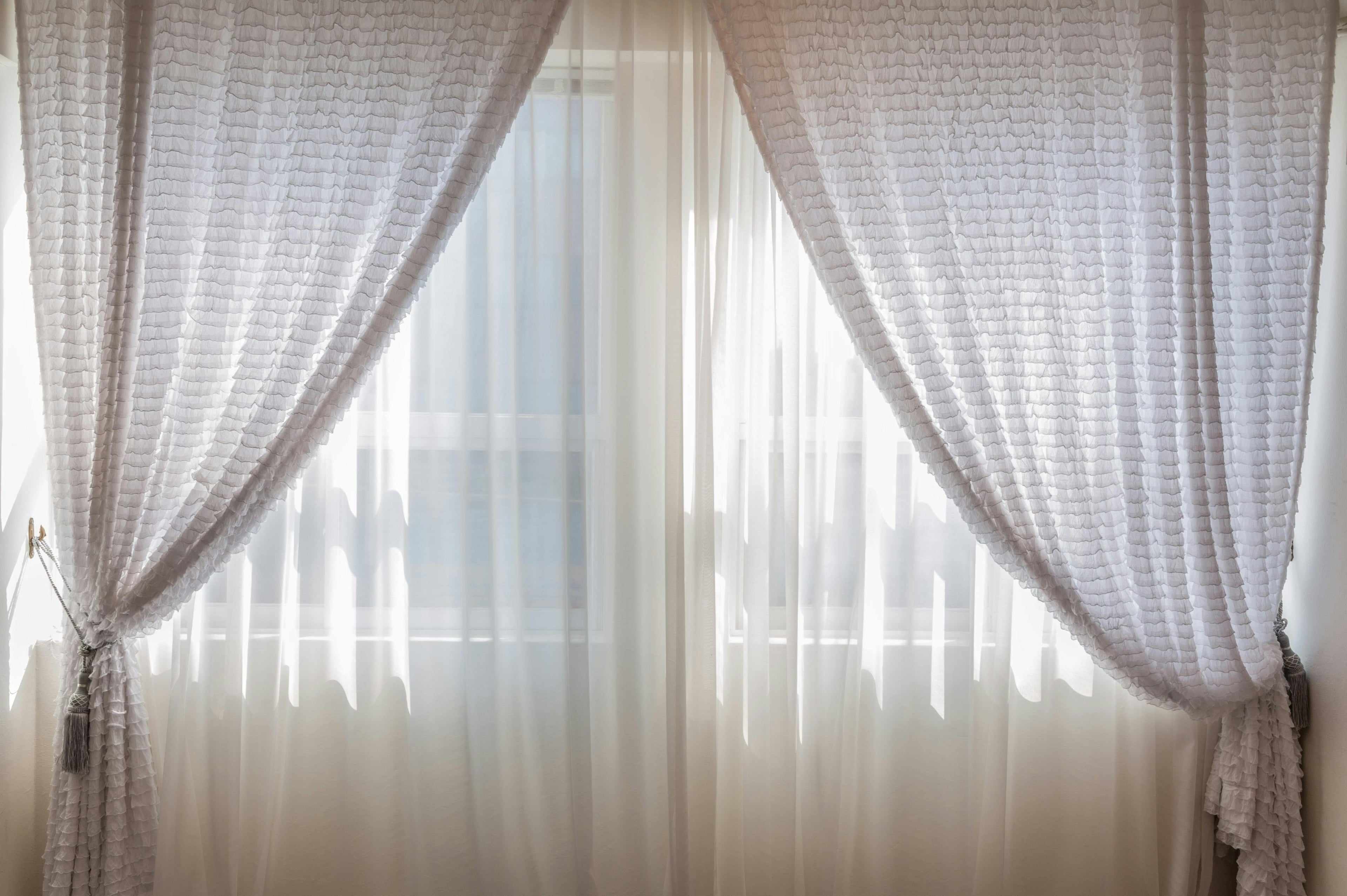
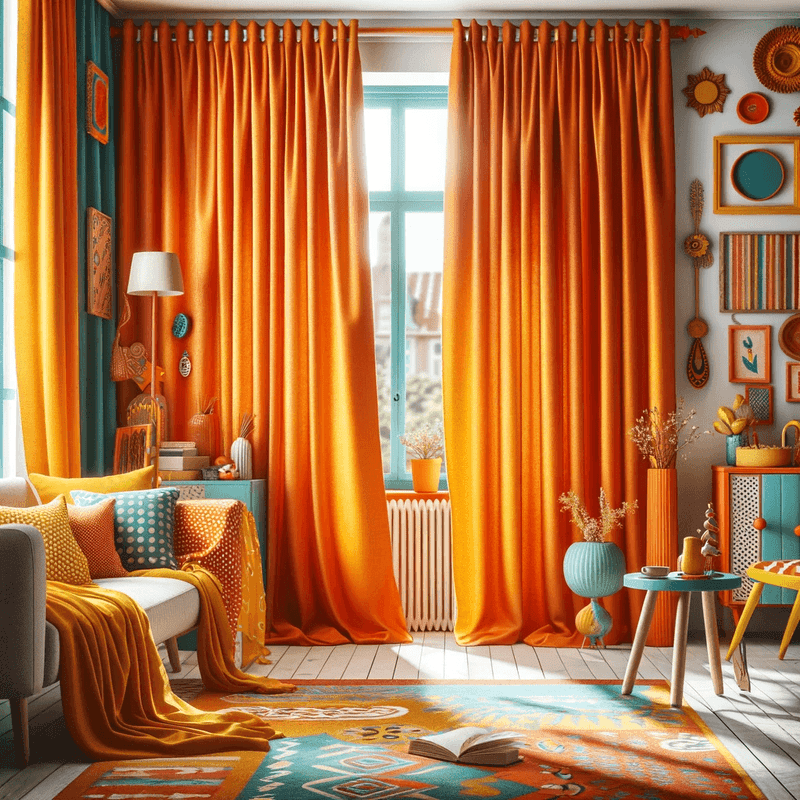
A light, bright palette (white, beige, pale grey, soft pastels) reflects light and expands the walls. You can add brighter color accents (cushions, artwork, accessories) to create personality. Natural light is your ally: preserve it with light sheer curtains and amplify it with strategically placed mirrors.
The Power of Mirrors
A large mirror, especially facing a light source, visually doubles the space. A mirror on an entire wall section or a closet door is a radical and very trendy solution. Furniture with glossy finishes (glass, polished metal) also contributes to this light reflection.
Step 5: Current Trends for Small Studios
Decor for small spaces is evolving. There is a movement towards warmer, more personalized interiors, far from cold minimalism. Natural materials like rattan, light wood, and linen bring texture and softness. The "Japandi" trend (a fusion of Japanese and Scandinavian styles) is perfect for studios: it combines functionality, clean lines, and natural materials.
"Smart home" solutions and modular, connected furniture are also gaining ground. Modular shelves, beds with integrated LED lighting, or motorized height-adjustable tables allow perfect adaptation to the needs of the moment. Finally, personalization is key: even in 15 m², the space must reflect you. Dare to use a graphic wallpaper on a single wall, a collection of artworks, or green plants that bring life and freshness.
Step 6: Avoiding Common Mistakes
Certain seemingly good ideas can ruin furnishing efforts. The first is trying to do too much. Overloading the space with small furniture and accessories creates visual clutter. It's better to have a few strong, well-chosen pieces.
Avoid furniture that is too low, which fragments the space horizontally. Steer clear of heavy, opaque window treatments. Finally, don't neglect circulation: plan for passages at least 60 cm wide between furniture to move around comfortably. A scale plan, even a rough one, is essential before any purchase.
Inspirations by Lifestyle
Furnishing a 15 m² studio varies depending on your profile. A student will prioritize a spacious desk and a comfortable sofa bed. A young professional might invest in a quality mezzanine bed to free up a relaxation or exercise area. A couple will need to optimize storage for two and consider privacy for the sleeping area, perhaps with a screen or curtain.
In all cases, organization is key. Solutions like vertical storage and transformable furniture adapt to all lifestyles. The important thing is to identify your priorities: is it an efficient workspace, a well-equipped kitchen corner, or a welcoming living room for entertaining?
FAQ: Answers to Common Questions
What is the average budget to furnish a 15 m² studio?
The budget can vary considerably, from €1,500 to €5,000 or more, depending on whether you choose new, second-hand, or custom-made items. Multifunctional furniture (mezzanine bed, sofa bed) often represents the largest expense. It is wise to invest in these key pieces and complement them with more affordable items (shelves, storage). Also consider furniture rental, a growing trend for short-term rentals.
Is a double bed feasible in such a small space?
Absolutely, but it requires strategy. A standard double bed (140x200 cm) takes up a lot of floor space. The most suitable solutions are the wall bed, which hides it completely during the day, or the mezzanine bed. Alternatively, a good double sofa bed is a credible option. The trick is to choose a model with a slatted base and a quality mattress for optimal comfort.
How to create a functional kitchen in a studio?
If the kitchenette is integrated, maximize its storage with drawer organizers, a wall-mounted spice rack, and an overhead shelf. If you need to create a kitchen corner, a fold-down table fixed to the wall serves as a worktop and dining table. Complement it with a small under-counter fridge, an induction hob, and a combination microwave oven. Compact, multi-functional appliances are your best allies.
Can you entertain guests in a 15 m² studio?
Yes, with ingenuity. Prioritize modular seating: lightweight poufs that can be taken out of storage, floor cushions around a coffee table, or a convertible sofa. An extendable or fold-down table is essential for meals. The trick is to tidy up as much as possible before their arrival to free up circulation space. The ambiance created by soft lighting and background music will distract from the modest size of the place.
How to avoid the "student room" or "standard furnished" look?
Personalization makes all the difference. Avoid matching furniture sets. Mix styles, eras, and materials. Add art to the walls, textiles (rug, throw blanket) with texture and color, and green plants. A wallpaper or accent paint on one wall, designer lighting, and objects collected over time instantly inject soul and character into your studio, transforming it into a true home.
Conclusion: Your Studio, a Custom-Made Haven
Furnishing a 15 m² studio is an exercise in style and optimization that, far from being a limitation, can be extremely rewarding. By applying the principles of multifunctionality, verticality, and smart zoning, you transform a constrained space into an ingenious home perfectly adapted to your life. Remember that custom solutions, even simple ones, often make the difference. Take the time to plan, measure twice, buy once, and dare to imprint your personal style. Your small studio is just waiting for your ideas to become a space as functional as it is inspiring. To discover more ideas and decor tips for optimizing every square meter, explore the other comprehensive guides available on ombreinterieur.fr without delay. Our guide on how to place cushions in the studio helps you make the right choice. Browse our online store to see all our collections.
