















How to Organize Your Living Room: Complete Guide 2026
Organizing your living room is much more than just a matter of storage or furniture arrangement. It is the art of creating a living space that reflects your personality, meets your daily needs, and offers you a true haven of peace. Between family relaxation time, movie sessions, dinners with friends, and solitary reading moments, the living room is the most versatile room in the house. Yet, it is often the first to become a dumping ground for various objects, appear cluttered, or lack functionality. Successful organization relies on a subtle balance between aesthetics, ergonomics, and emotion. This article guides you step by step to transform your living room into a harmonious, practical, and deeply inspiring space, integrating current trends and concrete advice for each stage.
Start with an in-depth analysis of the space and your needs
Before moving the first piece of furniture, it is crucial to take a step back. This analysis phase is the foundation of successful organization. Take the time to objectively evaluate your living room.
Measure the room precisely, note the fixed elements (doors, windows, radiators, electrical outlets, fireplace) and any irregularities. These technical constraints will become assets if you integrate them from the start.
Define the priority functions of your living room
List all the activities you wish to do there. The current trend is towards multifunctional spaces, especially since the rise of remote work. Should your living room accommodate a discreet desk area? A play zone for children? A space for your yoga or meditation sessions? Prioritize these functions. A living room intended mainly for socializing will not have the same organization as a living room designed for relaxation in a small group.
Also identify current problems: lack of storage for blankets, trailing cables, a coffee table that is always cluttered, a sofa poorly positioned in relation to natural light. This list of "pain points" will give you clear objectives.
The layout plan: the key to smooth traffic flow
Once your needs are defined, move on to designing the plan. You can draw it by hand on graph paper or use free 2D or 3D planning applications. The goal is to visualize the traffic zones.
It is generally recommended to leave a passage of at least 60 cm between furniture for easy movement, and 90 to 105 cm for main walkways. Avoid placing furniture directly facing an entrance door, as this creates a feeling of blockage.
The trend is towards creating natural and intuitive pathways. The idea is to guide the eye and movement without obstacles. Also consider the perspective from the entrance door: what is the first impression your living room gives? An unobstructed view of a beautiful bookcase or a painting is always more welcoming than a sofa seen from behind.
Furniture arrangement: strategies to optimize space
The placement of main furniture structures the room. Several classic layouts exist, to be adapted to your configuration.
Conversation around a focal point
The focal point is the architectural or decorative element that naturally draws the eye: a fireplace, a large bay window, a TV screen integrated into a bookcase, or even a major painting. Arrange the seating (sofa, armchairs) to create a conversation island facing this point. Avoid pushing all furniture against the walls; bring them closer together to encourage intimacy and exchange.
Organization into distinct zones
In a large living room or open-plan space, create dedicated zones without physically partitioning. Use furniture orientation, rugs, and lighting to delineate these areas. For example, a sofa facing away from the rest of the room can mark the boundary of a reading nook. A rug placed under the coffee table and the front legs of the sofa unifies the living room area, while another rug defines an office or play zone.
Solutions for small spaces
Prioritize furniture that is appropriately scaled for the room and has clean lines. Sofas with raised legs create visual lightness. Opt for lightweight coffee tables (glass, thin metal) or models with a lift-top that can also serve as a dining table or occasional desk. Modular furniture, such as reversible L-shaped sofas or nesting tables, offers valuable flexibility.
Smart storage: combining aesthetics and functionality
An organized living room is one where every object has its place, visible or hidden. Visual clutter is the number one enemy of serenity.
Adopt the sorting method: keep only what is useful or beautiful. For the rest, donate, sell, recycle. Then, categorize: books, magazines, board games, blankets, electronic cables, fireplace cleaning products...
Integrated and designer storage solutions
The strong trend is towards integrated and custom storage that perfectly fits the architecture. Floor-to-ceiling wall shelves, niches around the fireplace, window benches with built-in storage are elegant and ultra-functional solutions. Opt for closed cabinets to hide clutter and open shelves to display your most beautiful objects.
- For media and electronics: Plan a media unit with cable management passages and good ventilation. Cable management boxes are essential for a clean look.
- For small items: Use wicker or fabric baskets, trays on the coffee table, decorative boxes lined up on a shelf. Uniformity of containers (same material, same color) turns storage into decoration.
- For books and decor: Alternate horizontal and vertical stacks of books, and intersperse decorative objects (vase, small sculpture, plant) to lighten the presentation and give it rhythm.
Layered lighting: creating atmospheres for every moment
Good lighting is the most powerful tool for sculpting space and ambiance. Forget the single ceiling light and think in layers.
- General (ambient) lighting: This can be recessed ceiling spotlights, a diffused pendant light, or several wall sconces. Its role is to provide uniform light for moving around.
- Accent (decorative) lighting: It highlights specific elements: a painting (with an adjustable spotlight or track), an indoor plant (with a floor lamp), a wall texture. It adds drama.
- Task (functional) lighting: Essential for precise activities. An architect lamp or a floor lamp near the reading armchair, a small lamp on the desk corner. Prioritize sources with articulated arms or adjustable height.
The current trend is towards warm, dimmed lights (color temperature around 2700K) and the use of dimmers to adapt the intensity to the time of day and mood. Connected lamps, controllable via smartphone, offer ultimate flexibility.
Decoration and finishing touches: the soul of the organized space
Organization should not mean coldness. It is decoration that infuses personality and comfort.
The power of textiles and rugs
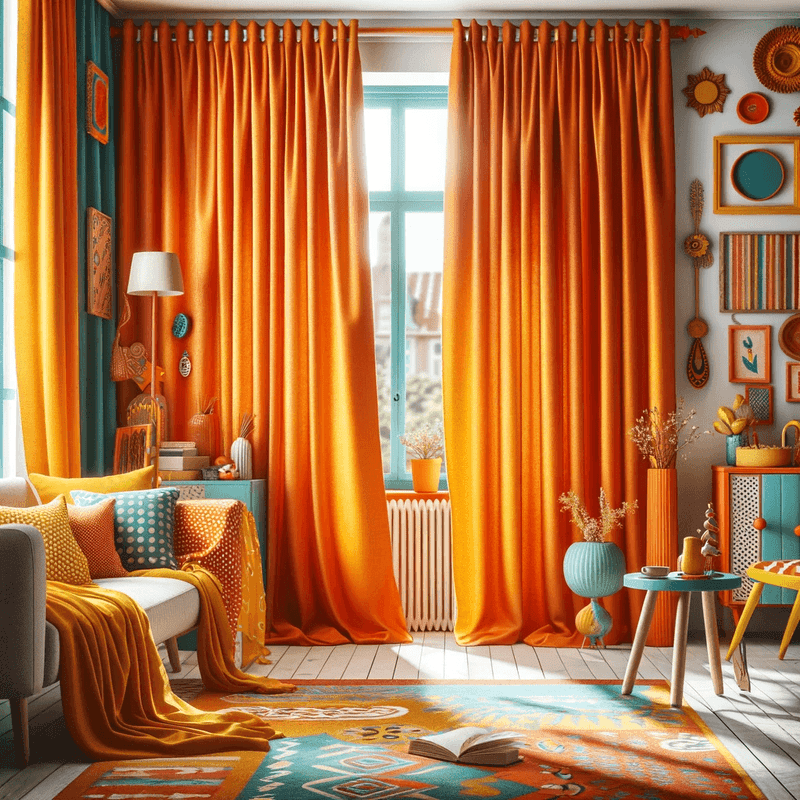
Textiles soften acoustics and bring warmth. A large rug will anchor the conversation area. Play with textures: linen on the sofa, velvet on cushions, bouclé wool on a throw. 2026 trends value natural and artisanal materials.
The art of the coffee table and surfaces
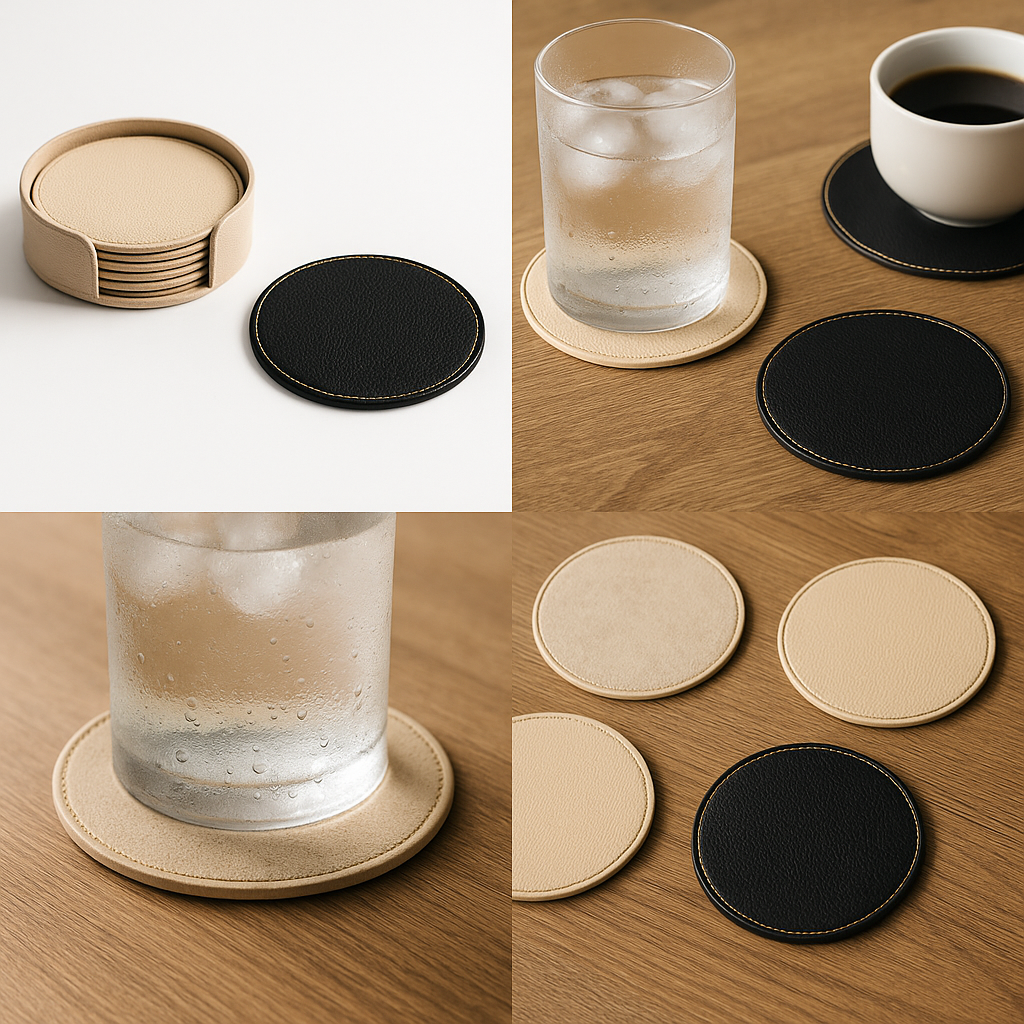
The coffee table is the practical heart of the living room. Organize it with intention: a tray for drinks, a coaster to store remote controls and magazines in trays. Leave empty space! A cluttered surface stresses the mind. Alternate heights with books and objects to create dynamism.
Walls and verticality
Don't neglect the wall surface. A well-balanced composition of frames, a large bookcase, or even an accent color on one wall can structure the space. The trend towards decorative headboards behind the sofa in open-plan spaces helps to elegantly delineate the living room area.
Maintaining organization daily: essential routines
A beautiful organization deteriorates quickly without minimal maintenance. Establish micro-habits.
- The "5 minutes in the evening" rule: Put cushions back in place, fold the throw, tidy magazines, wipe down the coffee table.
- Seasonal sorting: Use seasonal changes to reassess decorative objects, read books, unused games.
- A place for everything: This is the basic principle. If a new object arrives, immediately decide on its designated storage location.
Adopt a continuous "editing" mentality for your space, as you would for a wardrobe. This prevents the gradual accumulation that leads to clutter.
FAQ: Answers to the most common questions about living room organization
How to organize a small living room without it feeling cluttered?
The key is multifunctionality and visual lightness. Choose furniture with slim legs, in light colors, and avoid overly high backs. Use verticality with wall shelves to free up floor space. Prefer a two-seater sofa and an armchair over a large three-seater sofa. Strategically placed mirrors visually enlarge the space. Finally, maintain a light and unified color palette to create a soothing continuity.
Where to place the television in the living room without it dominating the space?
Several solutions exist. Integrate it into a bookcase or media unit with sliding doors that can be closed. Mount it on the wall and "camouflage" it with a TV frame that displays a work of art when turned off, a booming trend. Or, if the configuration allows, place it in a corner or on a secondary wall, so it is not the mandatory focal point of the room, leaving priority to the fireplace or the view.
How to create a discreet desk area in the living room?
The idea is to make it invisible when not in use. Opt for a secretary desk (drop-leaf desk) that can be closed. A narrow console against a wall can serve as a work surface, paired with a stool that is stored underneath. Use a screen, a large plant, or a low shelf as a visual separation. Storage must be impeccable: a box or drawer for all office supplies.
What are the most common mistakes to avoid?
Several pitfalls await those arranging a room. Overloading the room with furniture that is too large or too numerous. Neglecting lighting and settling for a single ceiling source. Pushing all furniture against the walls, which creates a cold and impersonal circulation space in the center. Forgetting storage needs from the design stage. Following trends to the letter without adapting to your own lifestyle and actual needs.
How to refresh the organization of your living room without changing everything?
A simple rearrangement can offer a feeling of novelty at a low cost. Try moving the sofa to another wall, swapping armchairs between the living room and the office. Change the arrangement of frames on the wall or objects on the shelves. Add a new rug, cushions in seasonal colors, or a new ambient lamp. These modifications, combined with a major decluttering, can radically transform the perception of the space.
Conclusion: Your living room, an organized reflection of yourself
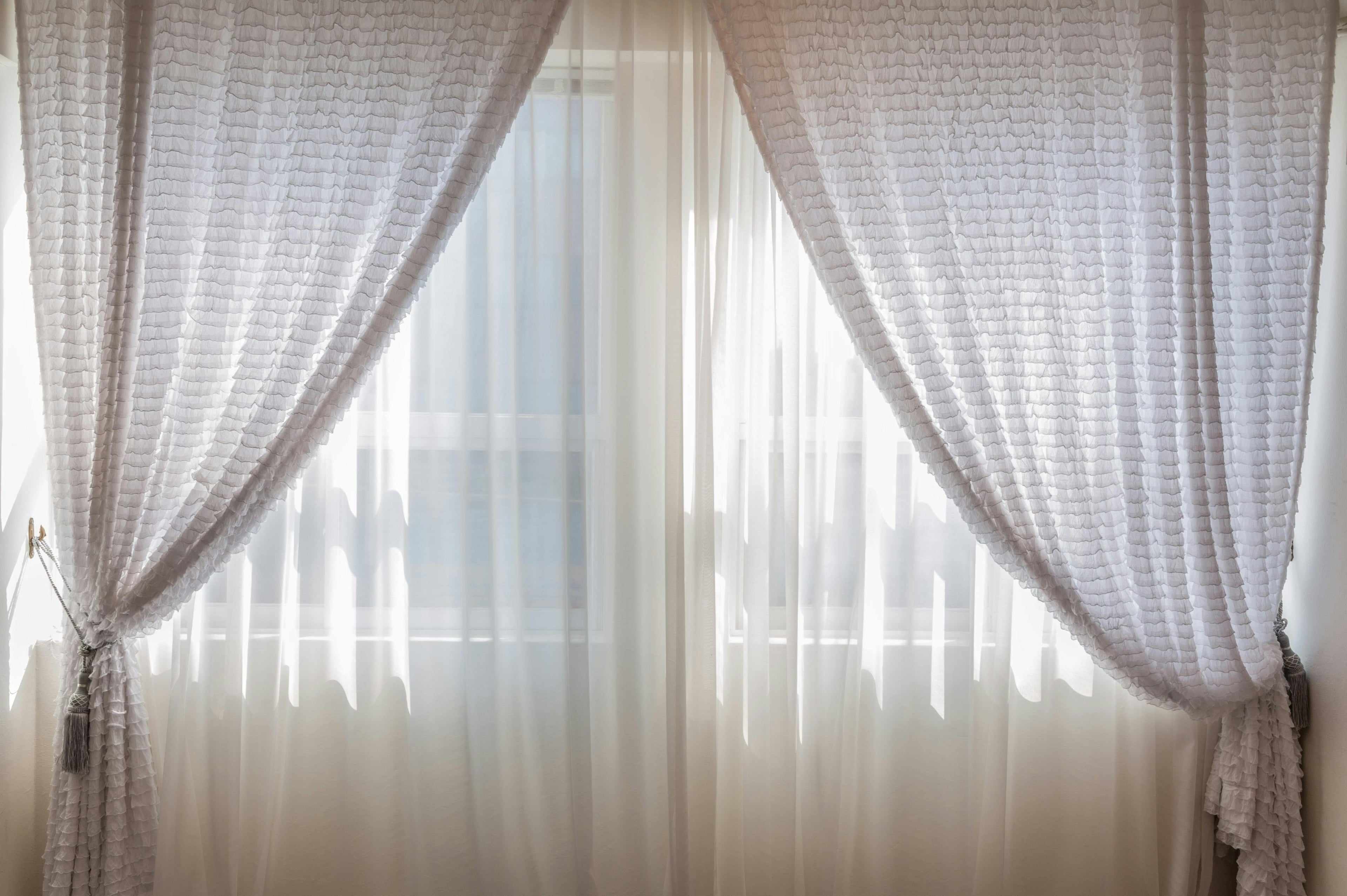
Organizing your living room is a creative and deeply rewarding process. It is not about applying rigid rules, but understanding how you live in this space and shaping it to serve you and reflect you. Starting from a clear analysis of your needs, planning traffic flow and zones, choosing storage solutions that are both beautiful and practical, and never forgetting the magic of light and decorative touches, you will create a living room that is much more than a room. It will be the beating heart of your home, a space where it is good to be together, alone or with others, in a setting that is both functional and inspiring. Organization is a journey, not a destination. Do not hesitate to adjust, experiment, and evolve your living room over the course of your life. To discover more inspiration and practical guides on decoration and layout, explore the many resources available on ombreinterieur.fr. Discover the product Sheer Curtain for Living Room to finalize your decor. For more tips, discover how to harmonize anthracite sideboards in a modern living room on the blog. Get inspired on our decoration website for your upcoming projects.
