













Decorating Your Home with Flowers: Complete Guide and Trends
Inviting nature into your home means giving your interiors a living breath, a palette of colours and textures that turns every room into an ever-changing tableau. Far more than simply placing a bouquet, floral art becomes a true decorative philosophy, where each stem tells a story and shapes your sense of wellbeing. You will learn to choose flowers according to the mood you wish to create, follow current trends and compose lasting arrangements. Let yourself be guided in bringing the garden indoors.
Flowers, far more than mere ornaments, are the vibrant soul of a home. They bring a touch of life, color, and poetry that few other decorative elements can match. Decorating with flowers is much more than placing a bouquet on the dining table; it is a philosophy that invites nature indoors, creating atmospheres, telling stories, and influencing our daily well-being. Whether you favor a rustic, minimalist, or contemporary style, there are myriad ways to integrate flora into your interior. This article is your complete guide to mastering the art of floral decoration, from the essential basics of choosing flowers to the latest trends, including practical tips for every room in the house. We will explore how to create lasting compositions, pair containers, and play with volumes to transform your living space into a true indoor garden.
The Fundamentals: Choosing Flowers Based on the Desired Ambiance
Before rushing to the florist, it is crucial to define the atmosphere you wish to create. Flowers are full-fledged actors in your interior scenography. For a zen and soothing atmosphere, turn to clean lines and soft colors. Phalaenopsis orchids, calla lilies with their sculptural forms, or flowering branches like potted cherry blossoms embody this serene elegance.
Conversely, if you want to infuse energy and cheerfulness, bet on bright colors and generous textures. Sunflowers, gerberas, or a mix of dahlias and zinnias in warm tones (yellow, orange, red) immediately create a joyful and dynamic ambiance. For a romantic and bohemian spirit, old-fashioned roses, peonies with abundant petals, clematis, or delphiniums bring that touch of softness and nostalgia.
Don't forget the power of foliage, often underestimated. Eucalyptus, ferns, monstera, or simple willow branches allow you to create volume and texture, serving as a green setting for more colorful flowers or acting as a unique and graphic composition.
Current Trends in Floral Decoration
The world of floral decoration is constantly evolving, influenced by design trends and a growing ecological awareness. Currently, several movements stand out. The "wild garden" or "from the garden" trend favors compositions that seem freshly picked from a field. The idea is to mimic nature in its apparent disorder and diversity. We cheerfully mix seasonal flowers, wild grasses, ornamental grasses, and even vegetable-flowers like artichokes or ornamental cabbages.
Floral minimalism also remains very strong. A single spectacular stem in a slender vase, a handful of pastel-colored tulips in a thick glass container, or a single orchid on a pedestal. This approach highlights the intrinsic beauty and architectural form of each plant.
Finally, sustainability is a major watchword. We seek to extend the life of cut flowers, we take an interest in quality dried and preserved flowers, and we favor seasonal and local flowers to reduce the carbon footprint. Dried flowers like statice, immortelles, proteas, or gypsophila allow for perennial compositions, perfect for poorly lit rooms.
The Art of the Vase: Choosing the Ideal Container
The vase is not just a simple receptacle; it is the indispensable partner of your flowers. Its choice can elevate or, on the contrary, ruin a composition. The golden rule is harmony of proportions. For flowers with long, light stems (like lilies or ranunculus), a tall, thin vase will keep them elegantly grouped. For generous, round bouquets (peonies, roses), a vase with a wide neck and a stable base is essential.
Materials also play a key role in the ambiance. A cut crystal vase will bring light and a precious, classic touch. Terracotta or glazed ceramic fit into a natural or artisanal decor. Transparent glass, timeless, emphasizes the beauty of the stems and water, creating a very pure effect. Current trends also see the blossoming of vases in metal (zinc, stainless steel) for an industrial look, or organic shapes in stoneware with soft colors.
Don't hesitate to think outside the box: a beautiful teapot, an old carafe, a glass jam jar, a pair of rubber boots for the garden, or even bottles grouped in threes can become containers full of charm and personality.
The Rule of Heights and Volumes
For a balanced composition, a simple method is to aim for a total height (flowers + vase) equal to one and a half times the height of the vase. Regarding volume, the bouquet should be approximately one and a half to two times wider than the opening of the vase. These proportions are not dogma, but they offer an excellent basis for harmonious arrangements.
Compositions by Room: Adapting Floral Decor to Use
The Entryway: The First Impression
The entryway is the calling card of your home. A floral composition here should be welcoming and resilient, as it is a high-traffic area often less well-lit. Favor robust green plants (like a sansevieria or a zamioculcas) or flowers that hold up well out of water like orchids or anthuriums. A large floor vase with branches (corkscrew hazel, magnolia) can create an immediate and graphic impact.
The Living Room: The Heart of the Home
In the living room, flowers can serve as a focal point on the coffee table, soften a shelf, or add color near a window. On a coffee table, opt for low and wide compositions that don't hinder conversation and view. A mix of roses, eucalyptus, and seasonal flowers in a shallow dish works wonders. Near a sofa, a large green plant (ficus lyrata, dwarf palm) or a large vase with architectural stems (like protea flowers or cherry branches) structures the space.
The Dining Room: Creating a Dining Ambiance
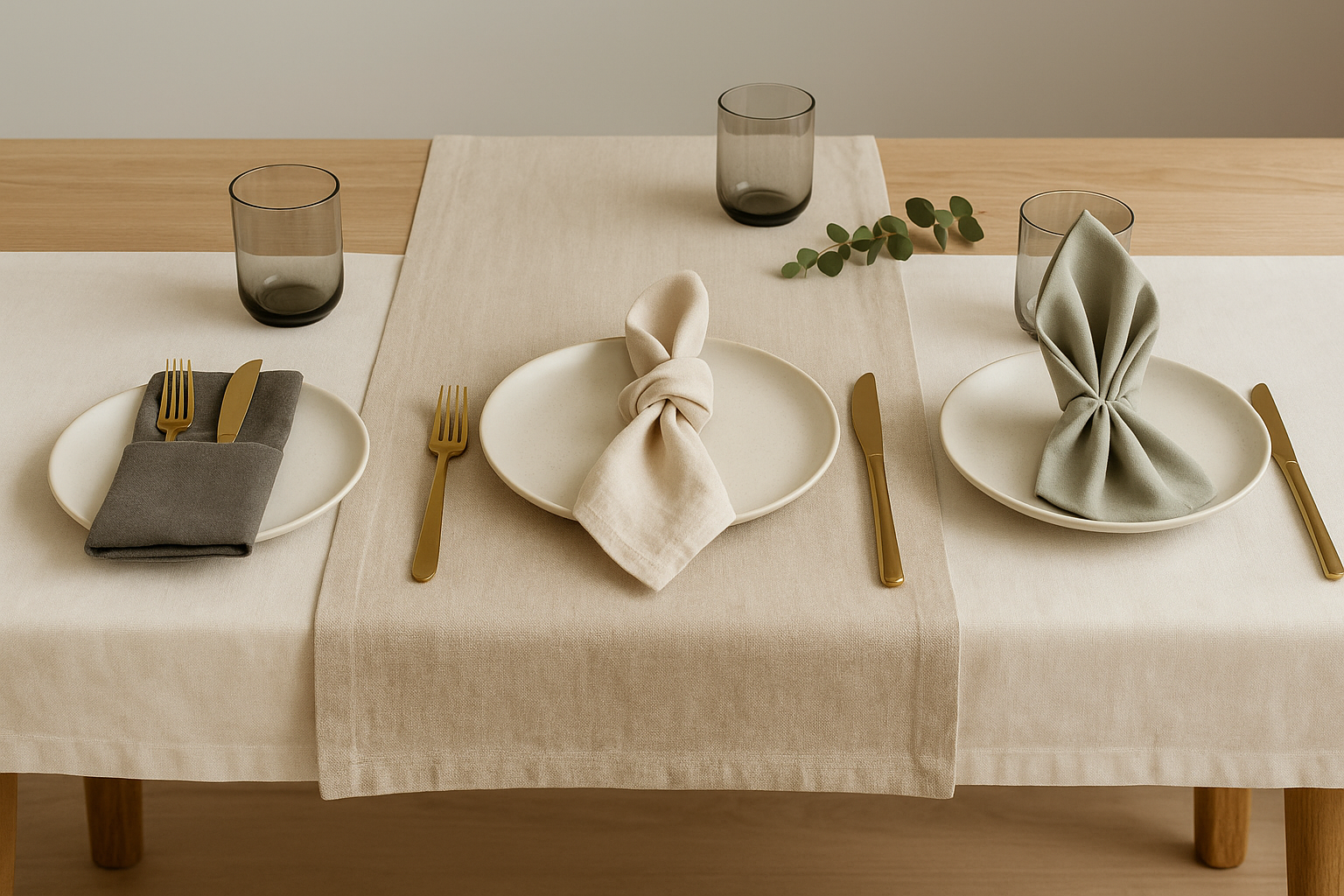
The dining table is the perfect playground for floral compositions. The goal is to create an atmosphere without obstructing the view and conviviality. For a daily meal, a simple small bouquet is enough. For a special occasion, you can opt for a long and low central composition (a "runner") that runs along the table, allowing guests to see each other. Alternate small individual bouquets, candlesticks, and candles for a tastefully set table. Scents should be discreet so as not to interfere with the aromas of the dishes.
The Bedroom: A Haven of Peace
The bedroom calls for relaxation and serenity. Flowers here should promote calm. Avoid overly heady perfumes that could disturb sleep. Lilies, for example, are magnificent but very fragrant. Prefer soft colors (white, cream, pale green, lavender) and delicate shapes. A small bouquet of dried lavender on the nightstand, a white orchid on the dresser, or a few camellia branches in a thin vase on the vanity bring a soothing and romantic touch.
The Bathroom: An Oasis of Freshness
The humid and often bright atmosphere of the bathroom can suit certain flowers. Orchids, especially phalaenopsis, do well there. You can also create small compositions in glasses or ceramic pots with flowers that like humidity like anthuriums or even cuttings of green plants (pothos, ivy) that will develop their roots in water, adding a touch of lasting greenery. Dried flowers are also an excellent option here, as they are not afraid of humidity.
Extending the Life of Your Bouquets: Expert Tips
Nothing is more disappointing than a bouquet that wilts prematurely. To enjoy your flowers to the fullest, a few simple gestures make all the difference. It all starts with meticulous stem preparation. Using clean, sharp pruning shears, cut the stems at a slant for about 2-3 cm. This clean, not crushed, cut allows for better water absorption.
Systematically remove all leaves that could soak in the water, as they promote bacterial growth. Use lukewarm water rather than cold, as it contains fewer air bubbles and is more easily absorbed by the stems. Add the cut flower food provided by the florist to the water; these packets contain biocides to limit bacteria and nutrients.
- Change the water regularly: ideally every two days, slightly recutting the stems each time.
- Choose the location carefully: keep the bouquet away from heat sources (radiators, fireplace), fruits (they emit ethylene, a gas that accelerates aging), and direct sunlight.
- Rescue techniques: for limp stems (tulips, roses), a bath in very cold water for an hour can revive them. For woody stems (lilies, branches), lightly crushing the end with a hammer can help.
Beyond the Bouquet: Creative Alternatives
Floral decoration is not limited to vases. Explore other mediums to integrate flora into your home. Pressed flowers are experiencing a resurgence of interest. They allow you to create delicate works of art to frame, insert into a notebook, or seal under glass for a unique epoxy resin table.
Living walls or framed compositions of preserved plants offer a perennial and spectacular solution for bringing a touch of nature to a room without daily maintenance. Hanging dried flowers or succulents (kokedama) add height and movement to a space.
Finally, consider room scents: a homemade potpourri of dried rose petals, lavender, and orange peel, or candles with scents of cherry blossom or jasmine, complete the sensory experience of a flower-filled home.
FAQ: Your Questions About Decorating with Flowers
Which flowers last the longest in a vase?
Some flowers are renowned for their exceptional longevity, often over 10 days with proper care. The champions are alstroemerias (Peruvian lilies), carnations, chrysanthemums, statice, and gerberas. Bulb flowers like tulips or daffodils have a shorter lifespan (5-7 days) but offer incomparable charm.
How do I match flower colors to my decor?
For a harmonious effect, you can play with monochrome (different shades of the same color, from pale pink to fuchsia) or complementary colors (for example, purple and yellow for a dynamic contrast). For a neutral decor (beige, gray, white), any flower color will work. For an already colorful room, choose one or two tones present in your textiles or walls to create a coherent link.
Fresh flowers or dried flowers: which to choose?
The choice depends on the use and the time you wish to dedicate to it. Fresh flowers offer ephemeral beauty, an incomparable scent and vitality, but require regular maintenance. Dried or preserved flowers are perfect for perennial compositions, require little maintenance (occasional dusting), and are ideal for dark rooms or people allergic to pollen. The ideal is often to mix the two for a textured and interesting result.
Where should I place my flowers so they last longer?
Location is crucial. Absolutely avoid drafts, direct sunlight behind a window (which creates a greenhouse effect), proximity to a bowl of ripe fruit, and excessive heat. A cool room (around 18-20°C) that is bright without direct sun is ideal. The kitchen, due to temperature variations and steam, is not always the best place.
How do I create a bouquet like a florist?
The basic technique is to build the bouquet in your hand before placing it in the vase. Start with the foliage to create a structure. Add the most important flowers (the "focal flowers") one by one while turning the bouquet in your hand, crossing the stems. Then insert the secondary flowers to fill the spaces, and finally the airy elements (baby's breath, ornamental grasses). Once satisfied, tie the bouquet with string and cut the stems to the right length before placing it in the vase.
Conclusion: Invite Floral Poetry into Your Home
Decorating your home with flowers is an art accessible to all, an inexhaustible source of creativity and well-being. Whether you opt for the exuberance of a wild bouquet or the graphic purity of a single stem, each flower brings its share of beauty and emotion. By mastering a few basic principles on selection, care, and staging, you can transform every room into a setting for nature. Don't be afraid to experiment, mix styles, and follow the cycles of the seasons to constantly renew your interior. Let yourself be guided by your desires and observe how these botanical touches change the atmosphere of your home. To discover even more inspiration and detailed interior decoration advice, feel free to explore the other articles and complete guides available on ombreinterieur.fr. Your home deserves to bloom. Our Embroidered Voile integrates perfectly with this style. Need practical advice? Read how to decorate a child's vintage bedroom with cushions. Discover our entire decor universe on Ombre Interieur.
