















Decorating a small apartment: tips and layout ideas
Turning a small space into an interior that breathes both elegance and practicality is a subtle art. Far from being a limitation, every square metre becomes an invitation to rethink your routines and make discerning choices. By embracing a light-filled palette, layered lighting and cleverly chosen furniture, you grant your apartment a newfound sense of airiness and purpose. Let these principles guide you in crafting a sanctuary that feels truly your own, where each object settles into its place with quiet harmony, and the interplay of textures and light transforms the everyday into something serene.
Decorating a small apartment is often seen as a major challenge, even an insurmountable constraint. However, with the right approaches, these compact spaces can be transformed into truly cozy, functional, and incredibly stylish nests. The key lies not in accumulation, but in the intelligent optimization of every square centimeter. This article is your ultimate guide to learning how to enhance your small space. We will cover proven strategies, current trends adapted to small surfaces, and concrete tips to create an interior that breathes, reflects you, and maximizes its potential, without ever sacrificing style for functionality.
Embracing the Philosophy of Smart Minimalism
In a small apartment, every object must earn its place. Smart minimalism is not a cold, sparse style, but a philosophy of curation. It's about keeping and highlighting what is truly useful or beautiful to you, and eliminating the superfluous. This approach is the foundation of any successful small-space decoration.
Start with a major decluttering. The "one-year" rule is uncompromising: if you haven't used or worn an item in the last twelve months, it's time to part with it. This step, though difficult, is liberating. It allows you to rediscover your apartment's architecture and visualize the possibilities.
Then, for every new purchase, ask yourself three questions: Does this object have a clear and necessary function? Do its shape and color fit into my universe? Where exactly will I store it? This purchasing discipline avoids gradual clutter and ensures that every added piece reinforces the overall harmony.
Optical Illusion: Playing with Colors and Light
The color palette and lighting are your most powerful allies for visually enlarging a space. Light colors, especially whites, very pale beiges, luminous grays, and soft pastels, reflect light and create a sense of openness. They form a neutral and soothing backdrop.
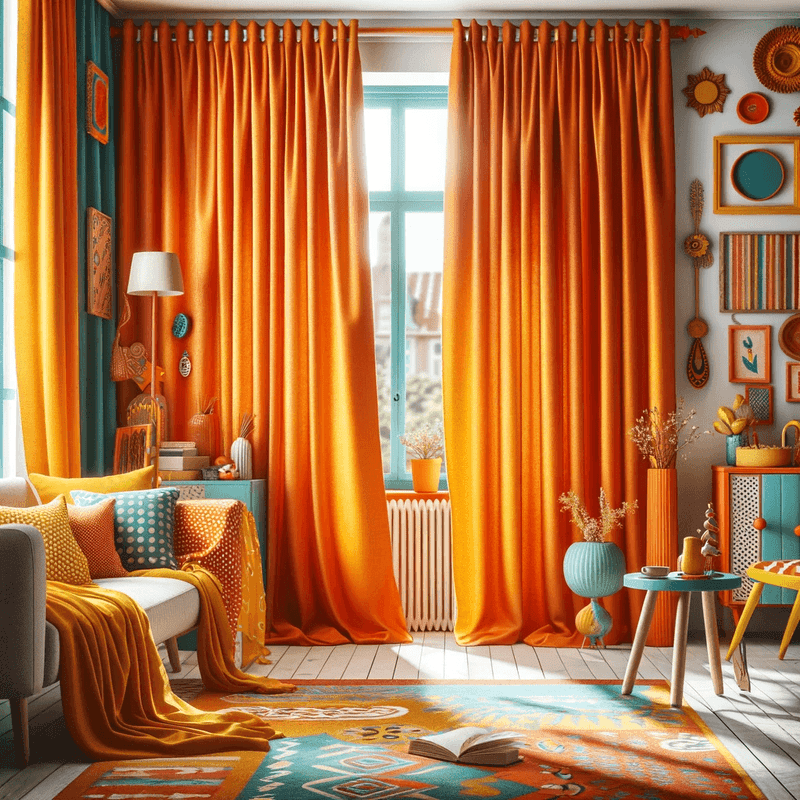
However, don't be afraid of touches of bright or dark colors. Used sparingly, they add depth and character. An accent wall painted in a deep tone like navy blue or forest green at the far end of a room can make it appear longer. Dark colors on very high ceilings visually bring them down, creating a more cocooning effect.
Lighting Strategies for a Small Space
Avoid single overhead lighting, which creates harsh shadows and flattens the space. Opt for multi-source, or "layered," lighting.
- Soft General Lighting: Adjustable recessed spotlights or a diffuse pendant light.
- Ambient Lighting: Floor lamps, string lights, or LED strips behind furniture to create indirect light.
- Task Lighting: Desk lamps, bedside lamps, under-cabinet kitchen spotlights. This approach sculpts the space, creates intimate corners, and gives the room dimension.
Multifunctional Furniture: The Cornerstone of Layout
Investing in smart furniture is non-negotiable for a small apartment. These pieces are the discreet heroes of spatial optimization. Current trends offer a multitude of design options, far from the basic nesting furniture of past years.
The sofa bed is the perfect example. Contemporary models, like sofa beds with integrated mattresses or convertible corner sofas, combine daily seating comfort with a sleeping function, without compromising on aesthetics. Lift-top coffee tables or tables with hidden trays serve as dining tables, desks, and living room tables.
Also consider beds with integrated storage (drawers or trunks), storage ottomans, bookcases with a pull-out desk, or extendable tables that tuck against a wall. Every cubic centimeter should be utilized.
Optimizing Verticality: From Floors to Ceilings
When floor space is limited, you must think in volume. Wall and aerial space is an underutilized goldmine. Using height frees up the floor, facilitating circulation and cleaning, while offering immense possibilities for storage and decoration.
Install wall shelves from floor to ceiling. They structure a wall, allow you to display books, plants, and decor items without clutter, and can even, when well arranged, replace a bulky bookcase. Tall furniture, like wardrobes or cabinets that go up to the ceiling, maximize storage and draw the eye upward, amplifying the sense of ceiling height.
Don't forget the door, an ideal support for storage: towel racks, shoe or beauty product organizers, or even a small folding desk. Rails and perforated panels (like "Pegboard") in the kitchen or entryway offer modular and stylish storage.
Creating Distinct Zones in an Open Space (Studio)
Furnishing a studio or loft requires creativity to delineate distinct living areas (sleeping, dining, working) without building walls. Opaque physical dividers are often to be avoided, as they block light and shrink the space.
Prefer visual and lightweight separations:
- Curtains: A thick curtain can isolate the bedroom at night, a light sheer curtain can delineate a desk area.
- Room Dividers: Modular and decorative, they are perfect for hiding a dressing area or storage space.
- Furniture as a Divider: A bookcase open on both sides, a back-to-back sofa, a low cabinet, or a bench can mark a boundary while remaining permeable to the view.
- Level Changes: A raised platform for the bed creates a distinct "sleeping" zone.
- Playing with Materials and Colors: Using different floor coverings (hardwood in the living room, tile in the kitchen) or a distinct paint color on one wall can be enough to signal a change in function.
Mirrors and Reflective Surfaces
The mirror is the magical accessory for a small apartment. By reflecting light and space, it visually doubles the room. But its placement is crucial. Avoid placing it opposite a bare wall; instead, position it opposite a window to capture and redistribute natural light, or opposite an interesting corner of the room.
A large mirror covering the full height of a wall is very effective. Several small mirrors grouped together create a dynamic effect. Furniture with mirrored fronts (wardrobes, dressers) or decorative elements in glass (coffee tables, shelves) also contribute to this impression of lightness and depth.
Current trends include mirrors with organic shapes (suns, clouds, free forms) that add an artistic touch, or antiqued mirrors that bring character without overloading the visual space.
Built-in Storage and Custom Solutions
Clutter is the number one enemy of a small space. Well-thought-out storage is the essential condition for a calming interior. When possible, opt for built-in or custom storage. They perfectly fit the dimensions, including nooks and sloped ceilings under the roof, thus eliminating any waste of space.
A sliding wardrobe covering the entire width of a wall is often more effective than a standard armoire. Adjustable shelves in a deep closet allow you to store absolutely everything. In the kitchen, take advantage of the space between appliances and walls to slide in narrow sliding shelves for spices or cleaning products.
For more accessible solutions, identical storage boxes (in wicker, sturdy cardboard, or fabric) lined up on shelves create an orderly visual effect and hide clutter. Use the inside of closet doors and the space under furniture with specific organizers.
Choosing Furniture to Scale and with Legs
In a small living room or bedroom, the size and shape of furniture are decisive. Prefer a two-seater sofa with slim arms, or even an armless sofa (like a "chauffeuse"), rather than a bulky three-seater. A lightweight coffee table, in glass or with a thin top, or several small stools/ottomans that also serve as side tables, are preferable to a heavy block of wood.
Opt for furniture with legs. Whether it's the sofa, bed, dresser, or armchairs, visible legs (even low ones) allow light to circulate underneath and give an impression of lightness. The visual space under furniture enlarges the room. Low furniture, like long and slim consoles, maintains a clear sightline.
The Power of Textiles and Patterns
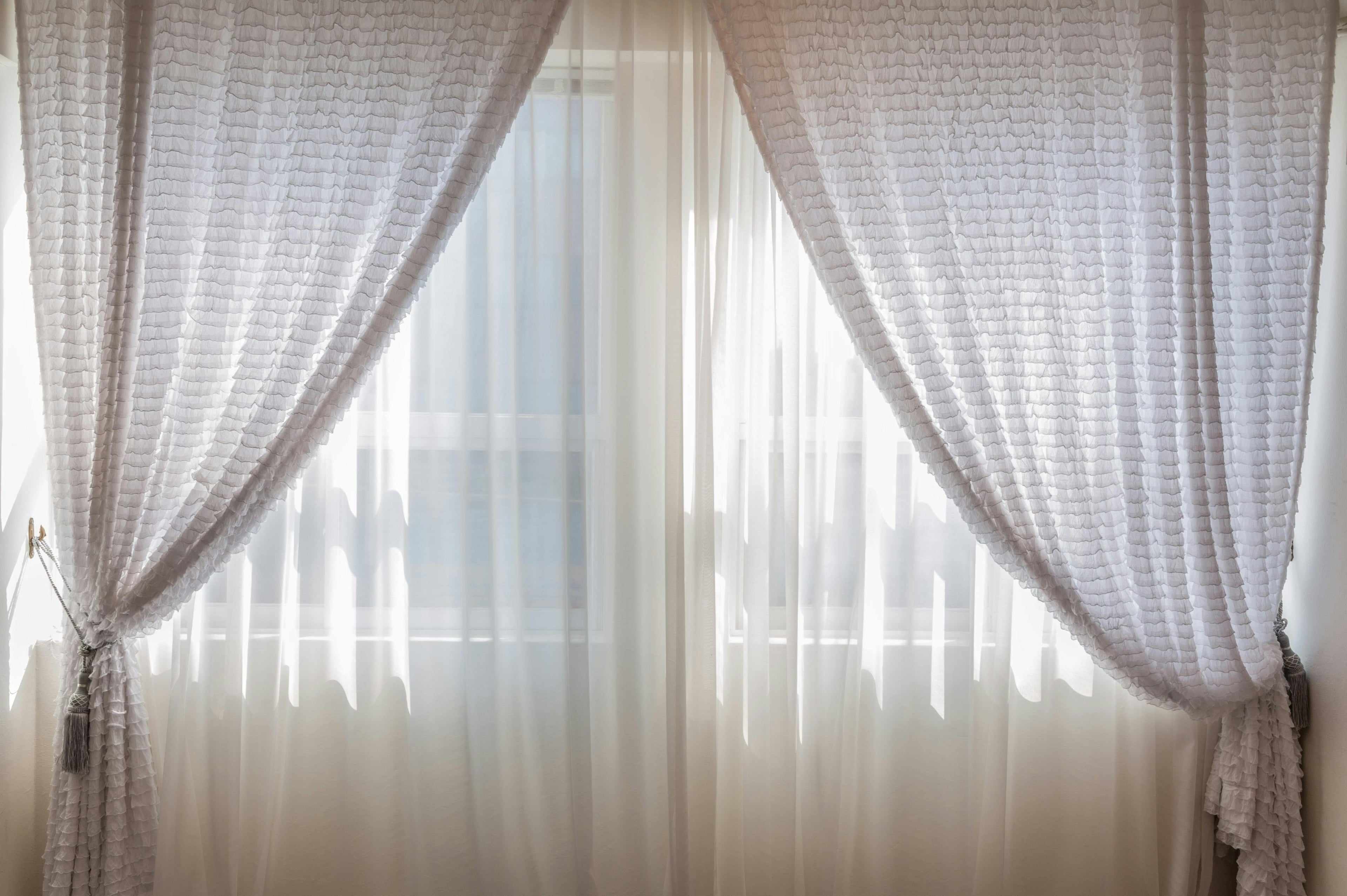
Textiles bring warmth and personality without taking up physical space. Their choice must be strategic. For curtains, hang the rods as close to the ceiling as possible and let the curtains touch the floor. This simple trick gives the illusion of larger windows and higher ceilings.
Prefer light and fluid fabrics (linen, fine cotton, sheer) that let light through. For rugs, a large rug (that goes under the feet of the main living room furniture) unifies the space and makes it appear larger than a small central rug. Regarding patterns, large prints or vertical stripes can be used, but in moderation. A cushion, throw, or patterned rug can become a focal point without overwhelming the room.
FAQ: Your Questions on Decorating a Small Apartment
What paint color should you absolutely choose to enlarge a small room?
Light and neutral tones (off-white, very pale gray, light beige) are the safest for reflecting light. However, don't overlook saturated colors on an accent wall. A wall painted in a deep tone (navy blue, emerald green, even matte black) at the far end of a long room can visually shorten it and add a dose of sophisticated drama. The finish is important: prefer matte or satin paints that absorb less light than glossy ones.
Should you avoid dark furniture in a small space?
Not necessarily. A dark, sculptural piece of furniture (a beautiful dark oak wardrobe, a black velvet sofa) can create a magnificent visual anchor point and add depth. The key is balance. Ensure the rest of the room is bright and airy, and that the dark furniture has clean lines. Simply avoid accumulating several large, dark pieces of furniture in the same space.
How to manage cables and electronics without creating clutter?
Technological clutter is a scourge. Use cable management boxes for power strips, attach them under desks or behind furniture. Prefer wireless devices when possible (speakers, mice, chargers). For the TV, a wall mount frees up the TV stand. Current trends even advocate for "hidden tech," where screens are concealed behind motorized artwork or mirrors when not in use.
Are plants recommended in a small apartment?
Absolutely! Green plants bring life, color, and purify the air. Choose vertical varieties (Sansevieria, Yucca) or trailing ones (Pothos, Ivy) that take up little floor space. Use shelves, ceiling hangers, or wall mounts to showcase them. They help create a serene and natural atmosphere, essential in a confined space.
Can you follow decor trends in a small apartment?
Yes, but in touches. Adopt trends through accessories and textiles, which are easier and less expensive to change. The "Japandi" vibe (Japanese-Scandinavian hybrid), with its minimalism and natural materials, is perfect for small spaces. Organic curves (furniture with rounded shapes), textured materials (terracotta, rattan, bouclé), or the year's vibrant colors can be introduced via an armchair, a vase, cushions, or a piece of art.
Conclusion: Your Small Apartment, a Custom Refuge
Decorating a small apartment is a creative adventure that requires thought, but the results are infinitely rewarding. By applying these principles of spatial optimization, rigorous furniture selection, and playing with light, you will transform your constraints into assets. Your interior will become a reflection of your personality, perfectly adapted to your lifestyle, where every detail has its reason for being. Remember that overall coherence and harmony are more important than the trend of the moment. To discover more inspiration, focuses on specific styles, or innovative storage solutions, explore the many resources available on ombreinterieur.fr. Your ideal nest awaits. Before choosing, browse how to integrate ottomans in a small 30 sqm office. Discover our entire decor universe on Ombre Interieur.
